

London has no shortage of tailoring options. From heritage houses on Savile Row to modern independent ateliers, the choices are extensive — and often confusing for clients booking tailoring for the first time.
The challenge is that good tailoring is difficult to judge from social media photos or fabric displays alone. A well-dressed showroom does not necessarily translate into strong pattern drafting, balanced fit, or long-term consistency.
For professionals investing in bespoke suits in London, knowing what to evaluate before booking can prevent expensive mistakes and lead to a much better experience overall.
Here are six things worth checking before committing to a tailor.
1. Look at How They Talk About Fit — Not Just Fabric
Many tailoring brands focus heavily on:
- Fabric mills
- Luxury labels
- Visual styling
But the real indicator of expertise is how they discuss fit and construction.
A strong bespoke tailor in London should be able to explain:
- Shoulder balance
- Jacket proportion
- Sleeve pitch
- Trouser rise
- Posture adjustments
If the conversation revolves only around fabric selection or aesthetics, that is often a sign the process may be more surface-level than technical.
In British bespoke tailoring, fit is always the foundation.
2. Ask About Their Pattern Drafting Process
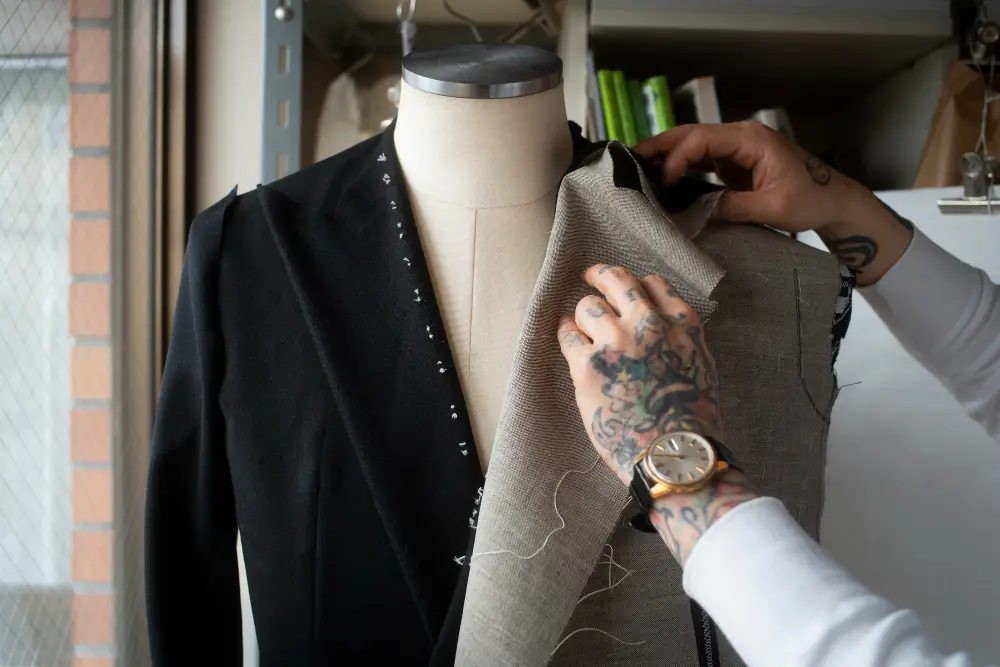
One of the biggest differences between tailoring services lies in how garments are actually cut.
Some operations simply alter pre-existing templates. Others create individual patterns from scratch based on:
- Measurements
- Posture
- Stance
- Body asymmetry
This is what defines true bespoke tailoring in London.
Before booking, ask:
- Do they draft individual patterns?
- How are fittings handled?
- Are patterns stored and refined over time?
The answers will reveal a great deal about the level of tailoring being offered.
3. Pay Attention to the Questions They Ask You
A good tailor gathers more than measurements.
They should ask:
- How often you wear suits
- Your working environment
- Whether you travel frequently
- What level of structure you prefer
- How formal your wardrobe needs to be
This is important because tailoring should reflect how the garment will actually be used.
Professionals commissioning custom suits in London often need very different solutions depending on whether they work in finance, law, consulting, or creative industries.
The more specific the questions, the more likely the tailor understands practical tailoring rather than simply producing garments.
4. Evaluate the Fitting Process
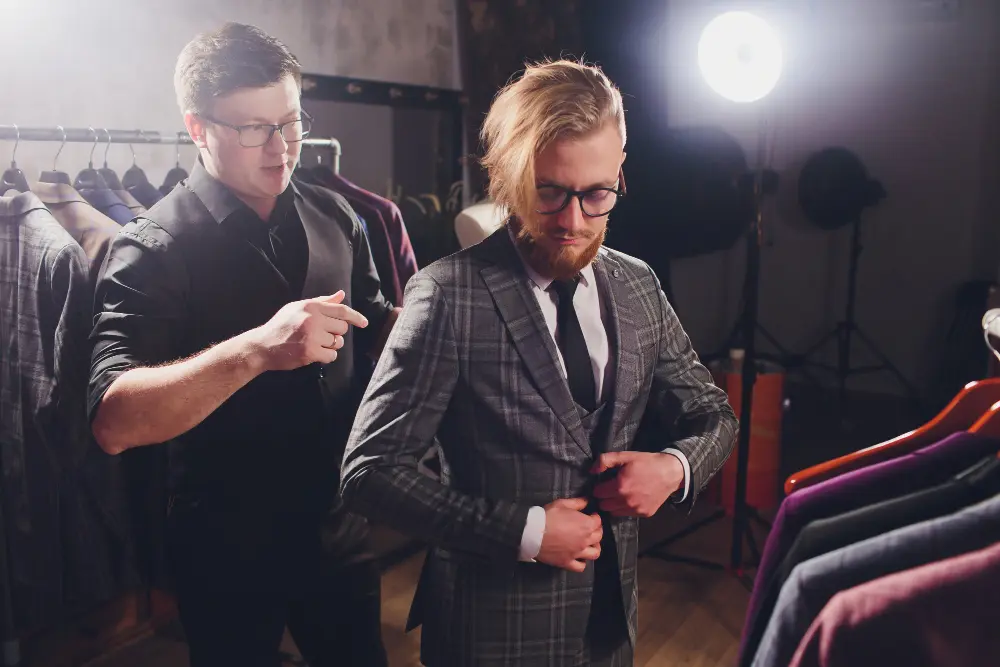
A proper fitting should involve more than pinning sleeve lengths.
During a genuine bespoke suit fitting, the tailor should assess:
- Jacket balance
- Collar position
- Shoulder alignment
- Sleeve movement
- Trouser line and break
This stage is where the garment begins adapting to the individual.
In many Savile Row bespoke suits, fittings are treated as one of the most important parts of the entire process because small adjustments significantly influence the final result.
5. Check Whether Their Work Looks Consistent
One of the clearest signs of a good tailoring house is consistency across clients.
You should look for:
- Balanced jacket proportions
- Clean shoulder lines
- Proper sleeve lengths
- Consistent trouser shape
Not every client should look identical — but the quality standard should remain consistent.
This is particularly important when evaluating tailor made suits in London, where presentation can vary significantly between tailoring houses.
6. Consider the Experience Beyond the Garment
Modern tailoring is no longer only about producing a suit.
Clients increasingly expect:
- Efficient communication
- Transparent timelines
- Long-term wardrobe continuity
- Easier future reordering
A strong tailoring relationship should become more efficient over time, not more complicated.
This is one reason many professionals now prioritise tailoring houses that combine craftsmanship with accessibility and long-term consistency.
Why the Right Tailor Matters
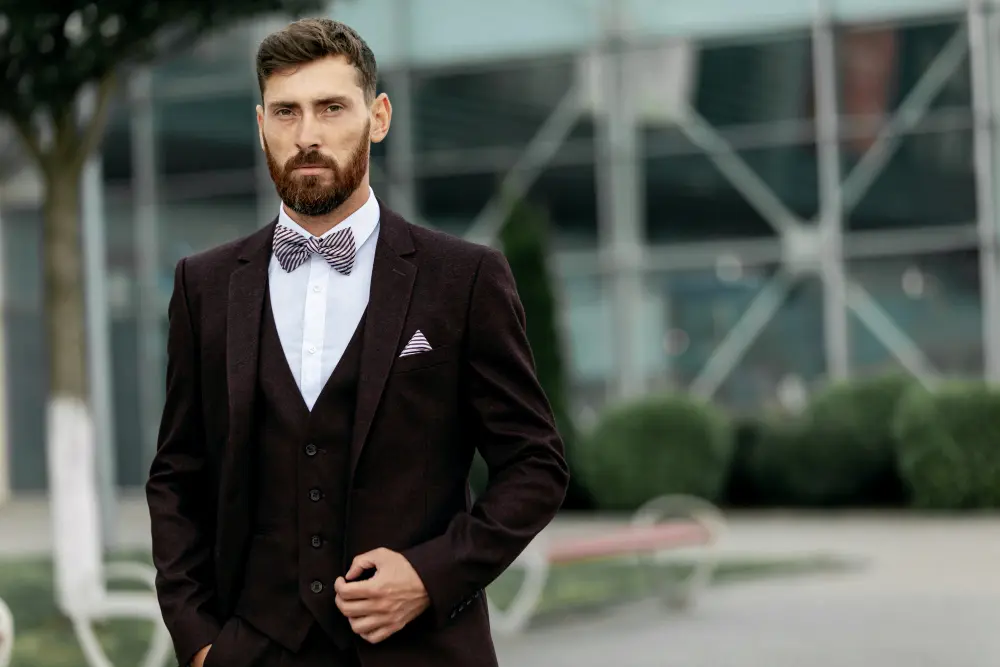
A well-made suit affects far more than appearance.
It influences:
- Comfort during long days
- Confidence in professional settings
- Wardrobe consistency over time
- How naturally the garment moves with the body
The right tailor understands this and builds garments accordingly.
For professionals exploring bespoke suits in London, choosing carefully at the beginning usually leads to a far better long-term experience than simply selecting the most visible brand or location.
Final Perspective
Finding a good tailor in London is less about prestige alone and more about understanding process, fit, and consistency.
The strongest tailoring experiences are rarely built on marketing alone. They are built on:
- Accurate pattern drafting
- Detailed fittings
- Clear communication
- Long-term understanding of the client
In a city with such a strong tailoring culture, these details remain what truly separates good tailoring from average tailoring.
FAQs
1. How does House of Tailors approach bespoke tailoring in London differently from standard tailoring services?
House of Tailors focuses on more than measurements alone. Every bespoke suit in London is developed through detailed consultations, pattern drafting, posture assessment, and multiple fitting stages to ensure the garment reflects the client’s body shape, lifestyle, and professional requirements.
2. Does House of Tailors create individual patterns for each client?
Yes. House of Tailors creates and maintains individual client patterns as part of its bespoke tailoring process. This allows future garments to maintain consistency in fit while incorporating any adjustments or preferences that develop over time.
3. Can House of Tailors help professionals choose the right suit for their industry?
Absolutely. Whether you work in finance, law, consulting, technology, or a creative field, House of Tailors provides guidance on fabric selection, structure, styling, and fit to ensure your custom suit aligns with your professional environment.
4. What should I expect during a bespoke suit fitting at House of Tailors?
A fitting at House of Tailors goes beyond basic alterations. The process includes assessing shoulder balance, jacket proportion, collar position, sleeve movement, trouser line, and overall garment balance to achieve a more precise and comfortable fit.
5. Does House of Tailors offer long-term wardrobe support after my first suit?
Yes. Many clients continue working with House of Tailors beyond their first commission. The team provides ongoing wardrobe planning, future suit recommendations, pattern updates, and streamlined reordering to ensure consistency across every bespoke suit and garment.