For decades, the hierarchy in British tailoring was relatively clear. Savile Row represented the traditional centre of bespoke craftsmanship, while independent tailors operated around it — often smaller in scale, visibility, and influence.
Since 2020, that balance has shifted significantly.
The tailoring industry in London has changed not because the craft itself disappeared, but because client expectations evolved faster than many traditional systems were prepared for. Convenience, communication, flexibility, and accessibility now influence purchasing decisions as much as heritage and craftsmanship.For professionals investing in bespoke suits in London, the question today is no longer simply “Savile Row or elsewhere?” It is about which tailoring experience aligns better with modern lifestyles and expectations.
The Traditional Savile Row Model
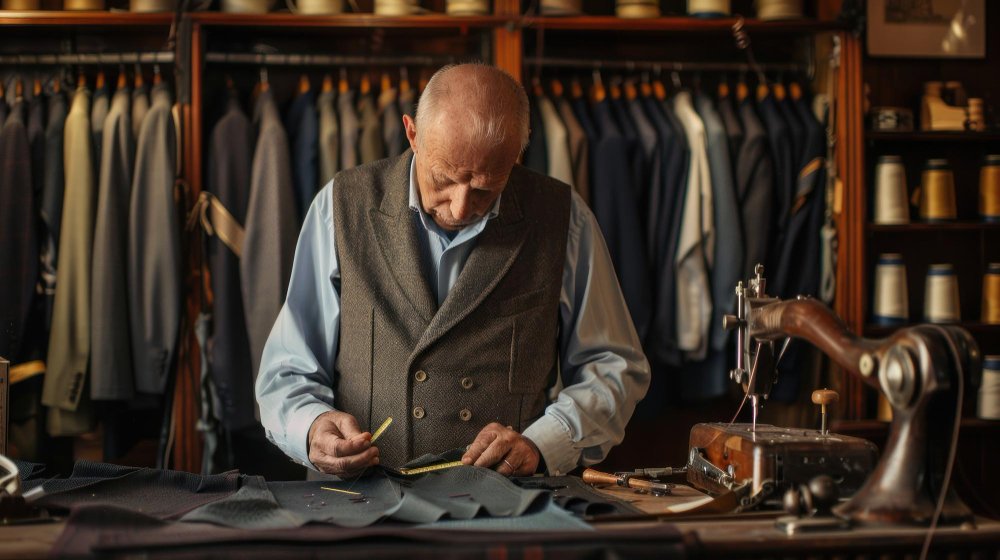
Historically, Savile Row bespoke suits represented the highest standard of British tailoring.
The process was built around:
- In-person consultations
- Multiple fittings
- Long production timelines
- Deep emphasis on heritage and handwork
For many clients, this experience still holds strong appeal. The craftsmanship associated with British bespoke tailoringremains highly respected globally.
However, the traditional model was also built around a slower pace of interaction — something that suited earlier generations of clients who approached tailoring as an occasional process rather than an ongoing wardrobe service.
What Changed After 2020
Since 2020, several shifts accelerated simultaneously:
1. Client Expectations Around Convenience
Professionals became far less willing to structure their schedules around repeated store visits.
Clients increasingly began expecting:
Flexible appointment scheduling
Faster communication
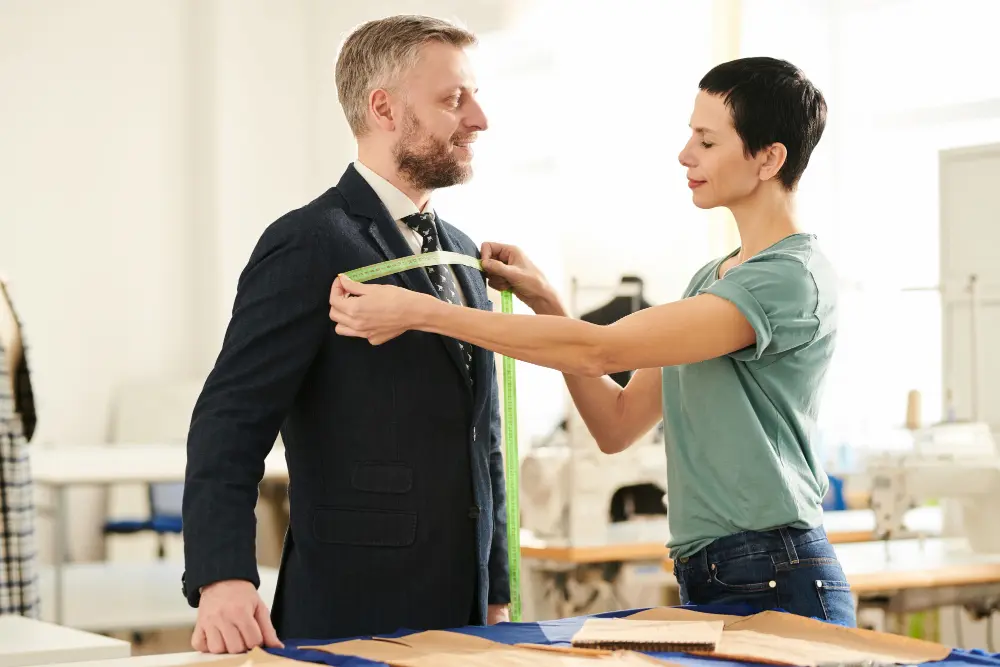
Home or office consultations
Digital follow-ups and remote coordination
This created opportunities for independent tailoring houses that could adapt more quickly than traditional systems.
2. Tailoring Became More Relationship-Driven
The modern client no longer views tailoring as a one-time purchase.
Instead, they expect:
Long-term wardrobe consistency
Ongoing fit management
Easier reordering processes
Tailors who understand their lifestyle over time
Independent houses often adapted faster to this shift because they were structurally more flexible.
In many cases, clients commissioning custom suits in London began prioritising responsiveness and continuity as much as heritage.
3. The Definition of Luxury Shifted
Before 2020, luxury in tailoring was often closely tied to:
- Tradition
- Exclusivity
- Formality
Today, luxury increasingly includes:
- Efficiency
- Accessibility
- Personalisation
- Time-saving service
For busy professionals, convenience itself became part of the premium experience.
This is one reason why independent tailoring houses offering bespoke tailoring in London through home visits, digital consultations, and more adaptive scheduling gained traction during this period.
Independent Tailors Became More Sophisticated
Another major shift is that independent tailoring houses are no longer perceived as “smaller alternatives.”
Many now operate with:
- Strong pattern drafting expertise
- High-level fabric sourcing
- Structured fitting systems
- International client servicing
In some cases, the actual craftsmanship gap between traditional Row houses and modern independents has narrowed considerably.
The difference today often lies more in operational style and brand positioning than pure technical ability.
The Rise of Hybrid Tailoring Experiences

One of the biggest developments since 2020 has been the rise of hybrid tailoring models.
Clients now expect:
- Physical fittings combined with digital communication
- Remote wardrobe planning
- WhatsApp consultations
- Faster turnaround visibility
This has fundamentally changed how people interact with tailors.
For professionals purchasing tailor made suits in London, the experience is increasingly expected to feel integrated into their routine rather than separate from it.
Savile Row Still Holds Weight — But Differently
None of this means Savile Row has lost relevance.
The Row still represents:
- Historic craftsmanship
- Exceptional cutting traditions
- Prestige within British tailoring culture
But its role has evolved.
For many clients today, Savile Row is no longer the only perceived destination for serious tailoring. Instead, it exists within a broader ecosystem that now includes highly capable independent tailoring houses offering different service models.
This is a major change from how the market functioned a decade ago.
Younger Clients Are Driving Different Priorities
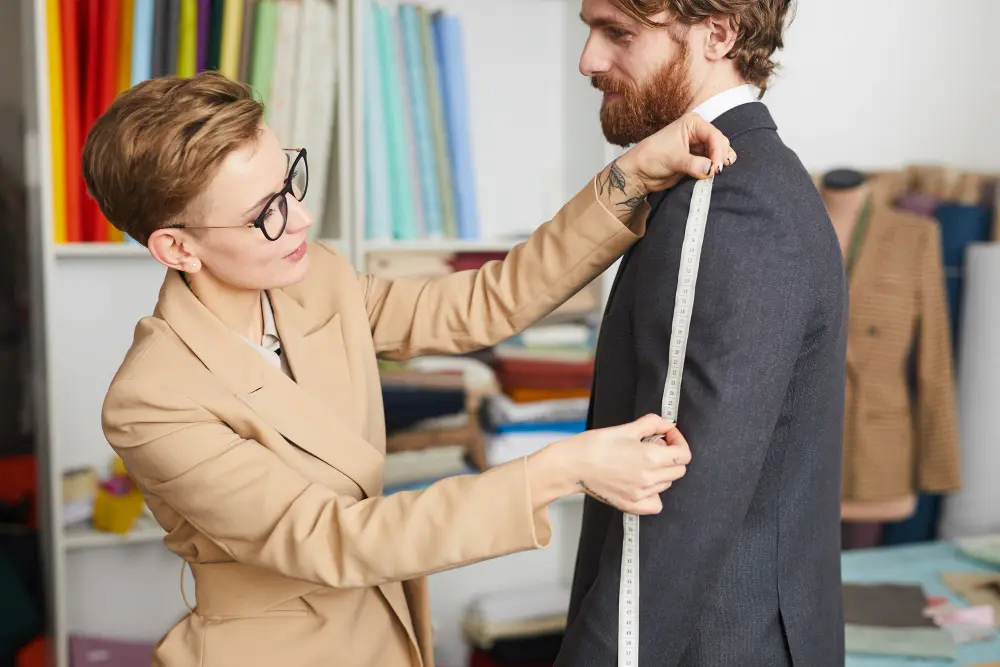
A new generation of clients has also influenced the industry.
Many younger professionals are:
- Less interested in rigid formality
- More focused on versatility
- More aware of fit and construction
- More likely to research tailoring online before visiting
They still value craftsmanship, but they expect the experience surrounding it to feel modern.
This has benefited tailoring houses able to combine:
- Traditional construction standards
- Contemporary communication
- Flexible service structures
The Industry Became Less About Geography
Before 2020, physical location carried enormous weight.
Today, visibility is increasingly shaped by:
- Digital presence
- Educational content
- Social proof
- Service quality
A tailoring house no longer needs a Savile Row address alone to establish credibility. Clients are now evaluating:
- Fit consistency
- Communication quality
- Process transparency
- Long-term reliability
This has significantly changed how professionals choose where to commission bespoke suits in London.
What Matters Most Today
For most modern clients, the decision now comes down to alignment.
Some still prefer:
- Traditional Savile Row structure
- Heritage-focused experiences
- Formal tailoring culture
Others prioritise:
- Convenience
- Faster communication
- Ongoing wardrobe support
- Greater flexibility
Neither approach is inherently better. The market has simply become broader and more adaptive since 2020.
Final Perspective
The biggest change in British tailoring since 2020 is not the craftsmanship itself — it is the client relationship around it.
The industry has shifted from a largely formal, location-driven model to one increasingly shaped by accessibility, responsiveness, and continuity.
For professionals investing in bespoke suits in London, the modern tailoring experience is no longer defined solely by address or heritage, but by how effectively the tailor fits into the realities of contemporary life.
FAQs
1. Does House of Tailors offer home or office consultations for bespoke suits in London?
Yes. House of Tailors offers home and office consultations for clients across London. This allows busy professionals to experience bespoke tailoring in London without needing multiple visits to a physical showroom, while still receiving a personalised fitting experience.
2. How does House of Tailors differ from traditional Savile Row tailoring houses?
House of Tailors combines the craftsmanship associated with British bespoke tailoring with a more flexible service model. Clients benefit from personalised consultations, digital communication, home visits, and ongoing wardrobe support while maintaining high standards of fit, pattern drafting, and garment construction.
3. Can House of Tailors help manage my wardrobe beyond a single suit purchase?
Absolutely. Many clients work with House of Tailors on a long-term basis, building wardrobes gradually through bespoke suits in London, seasonal additions, formalwear, and business attire. The goal is to provide consistency across every garment rather than treating tailoring as a one-time transaction.
4. Does House of Tailors keep client patterns for future orders?
Yes. Once a client’s pattern has been developed and refined through fittings, House of Tailors retains those records for future commissions. This helps ensure consistency in fit and allows future custom suits in London to be ordered more efficiently.
5. Is House of Tailors suitable for professionals who travel frequently or have demanding schedules?
Yes. Many House of Tailors clients are executives, consultants, lawyers, and business owners who require flexible appointment scheduling and efficient service. Home visits, remote coordination, and structured wardrobe planning help make bespoke tailoring fit seamlessly into a busy professional lifestyle.