
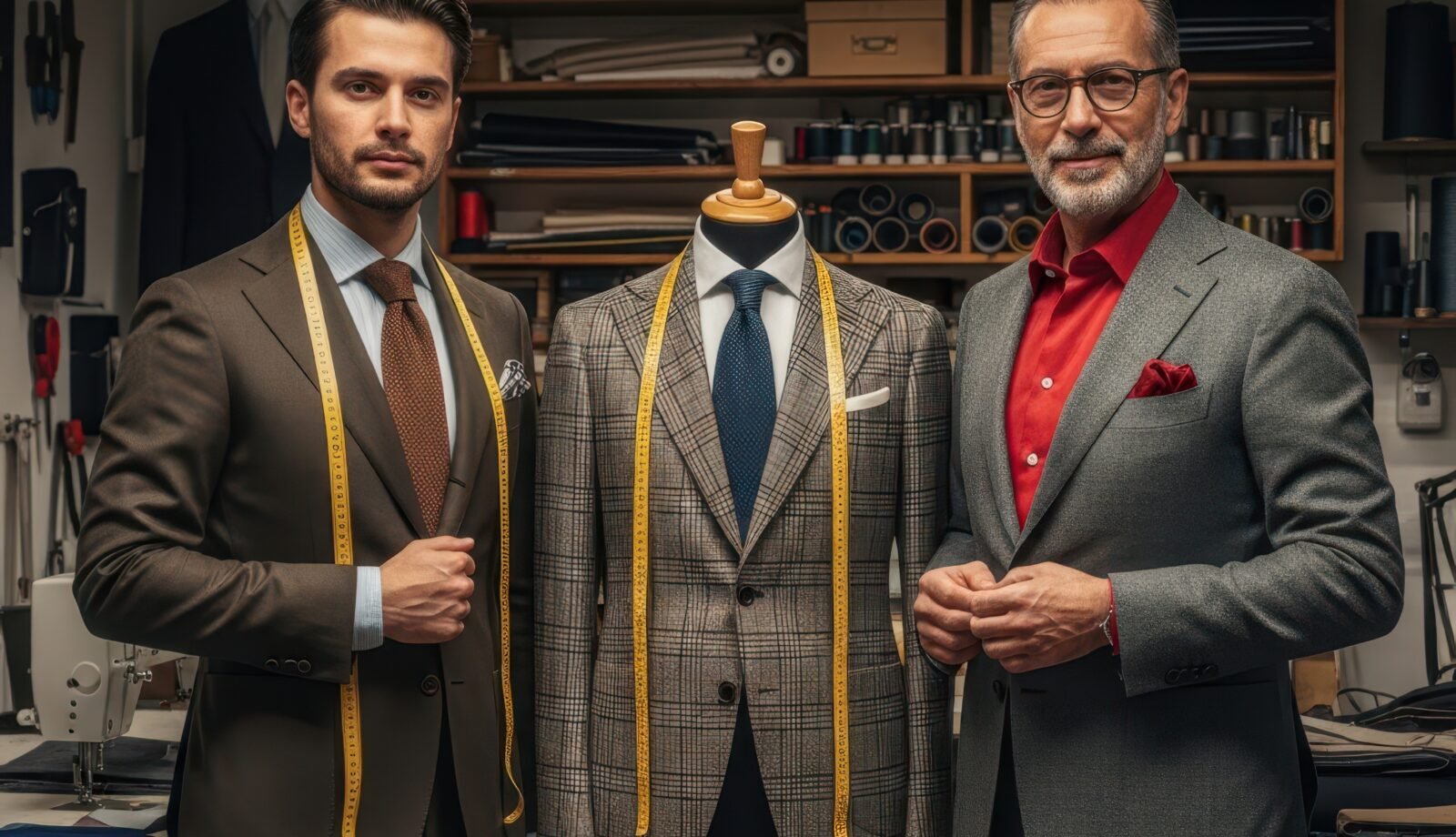
The terms are often used interchangeably. A client visits a shop, meets a tailor, and commissions a suit. On the surface, the experience appears straightforward.
But there is a clear distinction between working with an individual tailor and engaging with a tailoring house. The difference is not just in scale — it is in structure, consistency, and the overall experience.
In a market influenced by the standards of Savile Row, this distinction becomes particularly relevant for professionals investing in bespoke suits in London.
The Individual Tailor: Skill-Centric
An individual tailor typically operates as a single point of expertise.
The experience is often defined by:
- Personal craftsmanship
- Direct interaction with the maker
- A hands-on approach to fittings and adjustments
This model works well, particularly for clients who value one-on-one engagement. A skilled bespoke tailor in Londoncan deliver excellent results through experience and technical ability.
However, the outcome is often closely tied to that individual. Availability, consistency, and scalability can vary depending on workload and capacity.
The Tailoring House: System and Structure
A tailoring house operates differently. It is built around a structured process rather than a single individual.
The experience is defined by:
- A team-based approach (consultants, cutters, tailors)
- Established systems for fittings and production
- Consistency across multiple garments
In bespoke tailoring in London, this model is often associated with long-standing houses that have developed processes over decades.
The advantage is not just craftsmanship, but reliability. Clients can expect a consistent outcome regardless of timing, volume, or complexity.
Consistency Across Garments
One of the most significant differences lies in consistency.
With an individual tailor, results may vary depending on time constraints or changing workloads. With a tailoring house, the process is designed to ensure that each garment meets the same standard.
For clients commissioning multiple custom suits in London, this consistency becomes critical.
It ensures:
- Uniform fit across different garments
- Reliable construction standards
- Predictable results over time
This approach reflects the practices seen in Savile Row bespoke suits, where consistency is central to the client experience.
The Role of Pattern Management

Pattern drafting is at the core of both models, but how it is managed differs.
In a tailoring house:
- Patterns are systematically stored and updated
- Adjustments are tracked across multiple orders
- Consistency improves with each commission
This allows future garments to be produced with greater accuracy and efficiency.
For clients investing in bespoke suits in London, this means the process becomes smoother over time, without compromising on precision.
Service Beyond the Garment
A tailoring house often offers a broader scope of service.
This can include:
- Wardrobe planning
- Fabric guidance based on usage
- Long-term fit adjustments
- Structured follow-ups
The focus shifts from delivering a single suit to supporting the client’s overall wardrobe.
This aligns with how British bespoke tailoring has evolved — from a product-based service to a more comprehensive approach to dressing.
Scalability Without Losing Precision
Another key difference is scalability.
An individual tailor may be limited in how many clients they can serve at a given time. A tailoring house, with its structured system, can handle higher volumes while maintaining standards.
For professionals with demanding schedules, this matters.
It allows for:
- Faster turnaround without rushed work
- Consistent availability
- The ability to commission multiple garments without delays
This is particularly relevant in cities where demand for tailor made suits in London continues to grow.
The Experience: Personal vs Structured
The experience itself differs in tone.
An individual tailor offers:
- A highly personal, craft-focused interaction
A tailoring house offers:
- A structured, process-driven experience with multiple touchpoints
Neither approach is inherently better. The choice depends on what the client values more — direct craft interaction or long-term consistency and scalability.
Why the Distinction Matters
For many clients, the difference only becomes clear after multiple commissions.
A single well-made suit can be achieved through either model. But when building a long-term wardrobe, the advantages of a structured approach become more apparent.
For those investing in bespoke suits in London, understanding this distinction helps set the right expectations.
It shifts the focus from simply choosing a tailor to choosing a system that supports consistency, reliability, and long-term results.
For those investing in bespoke suits in London, understanding the difference between an individual tailor and a tailoring house helps set the right expectations for consistency, reliability, and long-term service. House of Tailors combines personalised attention with a structured approach to bespoke tailoring, delivering precise fit, consistent craftsmanship, and a refined experience for every client.