
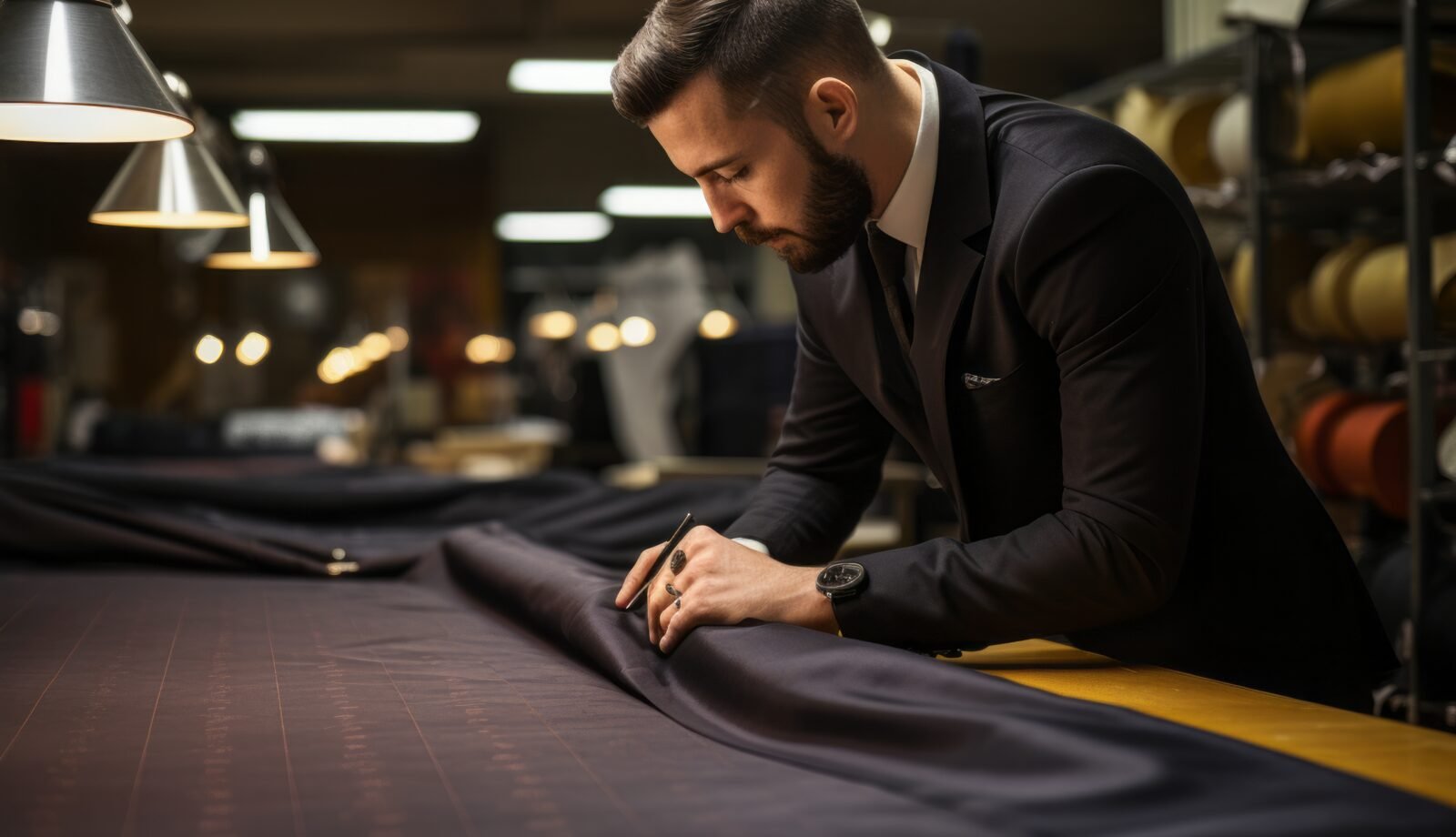
A suit can be made from excellent fabric and still fail to fit properly. This is often where most misunderstandings around tailoring begin. Many assume measurements alone define the fit of a garment. In reality, measurements are only the starting point.
The true foundation of a well-fitting suit lies in pattern drafting — the stage where a garment is shaped on paper before it is ever cut in cloth.
In the tradition of Savile Row, pattern drafting is what separates a standard garment from one created through bespoke tailoring in London. It is the process that ensures a suit is built for the individual, not adjusted to fit them after the fact.
Measurements Are Not the Fit
Taking measurements is a technical process, but it does not account for how a person stands, moves, or carries themselves.
Two individuals with identical chest and waist measurements can require completely different patterns due to:
- Shoulder slope
- Posture (upright, forward, or relaxed)
- Stance and balance
- Arm positioning
This is why relying on measurements alone often results in garments that feel slightly off. Pattern drafting translates these variables into a structure that works with the body.
In bespoke suits in London, this step is considered essential, not optional.
What Pattern Drafting Actually Involves
Pattern drafting is the process of creating a unique blueprint for a suit based on both measurements and observation.
bespoke suits in London will typically assess:
- The natural alignment of the shoulders
- The position of the head and neck
- The curvature of the back
- The balance between front and back posture
These observations are then translated into a paper pattern that determines how the fabric will be cut.
Unlike tailor made suits in London that may start from a standard block, bespoke patterns are created from the ground up for each client.
Why Standard Patterns Fall Short
Most ready-to-wear and made-to-measure garments are based on pre-existing templates. Adjustments are made to approximate the wearer’s measurements, but the underlying structure remains unchanged.
This approach works for general sizing, but it rarely delivers precision.
For example:
- A forward-leaning posture may cause pulling at the front
- Uneven shoulders may result in twisting sleeves
- A prominent chest or back may distort the jacket balance
Pattern drafting resolves these issues before the garment is constructed, rather than trying to correct them afterwards.
This is a key reason why custom suits in London created through true bespoke methods feel noticeably different when worn.
The Impact on Fit and Comfort
When a pattern is drafted correctly, the suit does more than fit — it works with the wearer.
The results are immediately noticeable:
- The jacket sits evenly without shifting
- The collar rests cleanly against the neck
- Sleeves fall naturally without twisting
- The garment moves comfortably throughout the day
During a bespoke suit fitting, these elements are refined further, but they originate from the pattern itself.
This level of accuracy cannot be achieved through alterations alone. It must be built into the garment from the beginning.
Balance: The Most Overlooked Element
One of the most important outcomes of pattern drafting is balance.
A well-balanced suit distributes fabric evenly across the body, ensuring that:
- The front and back of the jacket align correctly
- The side seams remain straight
- The garment does not pull or shift during movement
This is a defining feature of Savile Row bespoke suits, where balance is prioritised as much as appearance.
Without proper drafting, even a well-constructed suit can feel uncomfortable over time.
Pattern Drafting and Longevity
A suit that is built on a well-drafted pattern tends to perform better over time.
Because the garment is aligned with the wearer’s posture and movement:
- Stress points are reduced
- Fabric wears more evenly
- The structure holds longer
This contributes directly to the longevity expected from British bespoke tailoring, where garments are designed to last for years rather than seasons.
Why It Defines True Bespoke
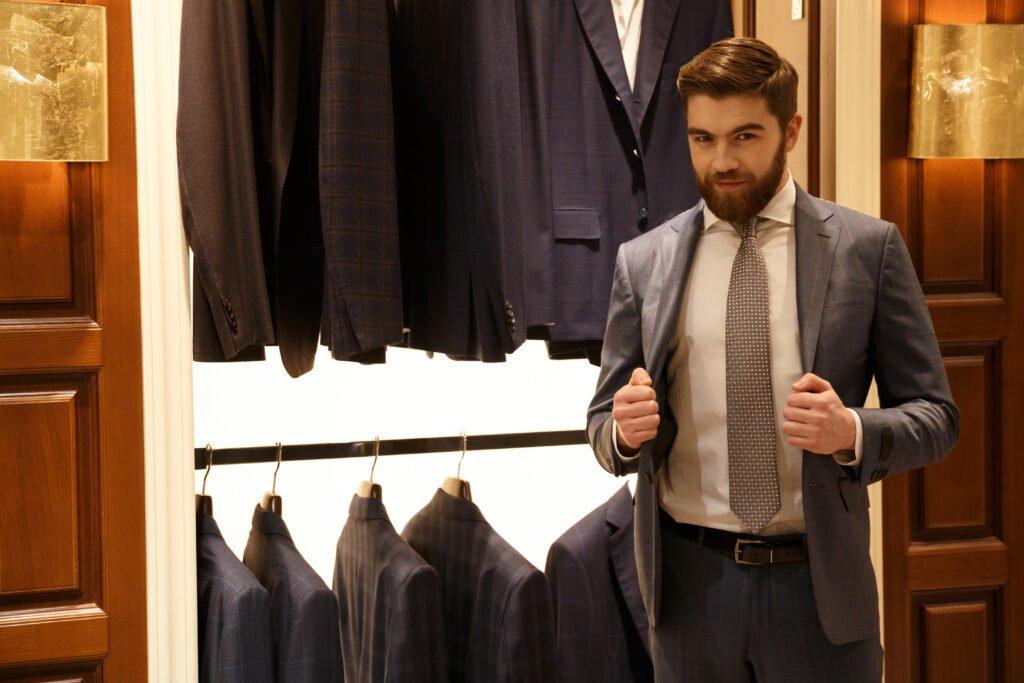
The term “bespoke” is often used loosely, but in its traditional sense, it refers to garments made from an individual pattern.
This is what distinguishes bespoke tailoring in London from other approaches. The pattern is not adjusted — it is created specifically for the client, stored, and refined over time with each new garment.
It becomes a long-term reference, allowing future suits to maintain consistency while adapting to any changes in the wearer’s body or preferences.
A More Precise Approach to Fit
Understanding the role of pattern drafting changes how a suit is evaluated. It shifts the focus from visible elements — such as fabric or branding — to the underlying structure that determines performance.
For professionals investing in bespoke suits in London, this is one of the most important aspects to consider. It is the difference between a suit that simply fits and one that is built to work with the wearer in every setting. House of Tailors combines precise pattern drafting with traditional bespoke craftsmanship to create a truly personalised fit.