
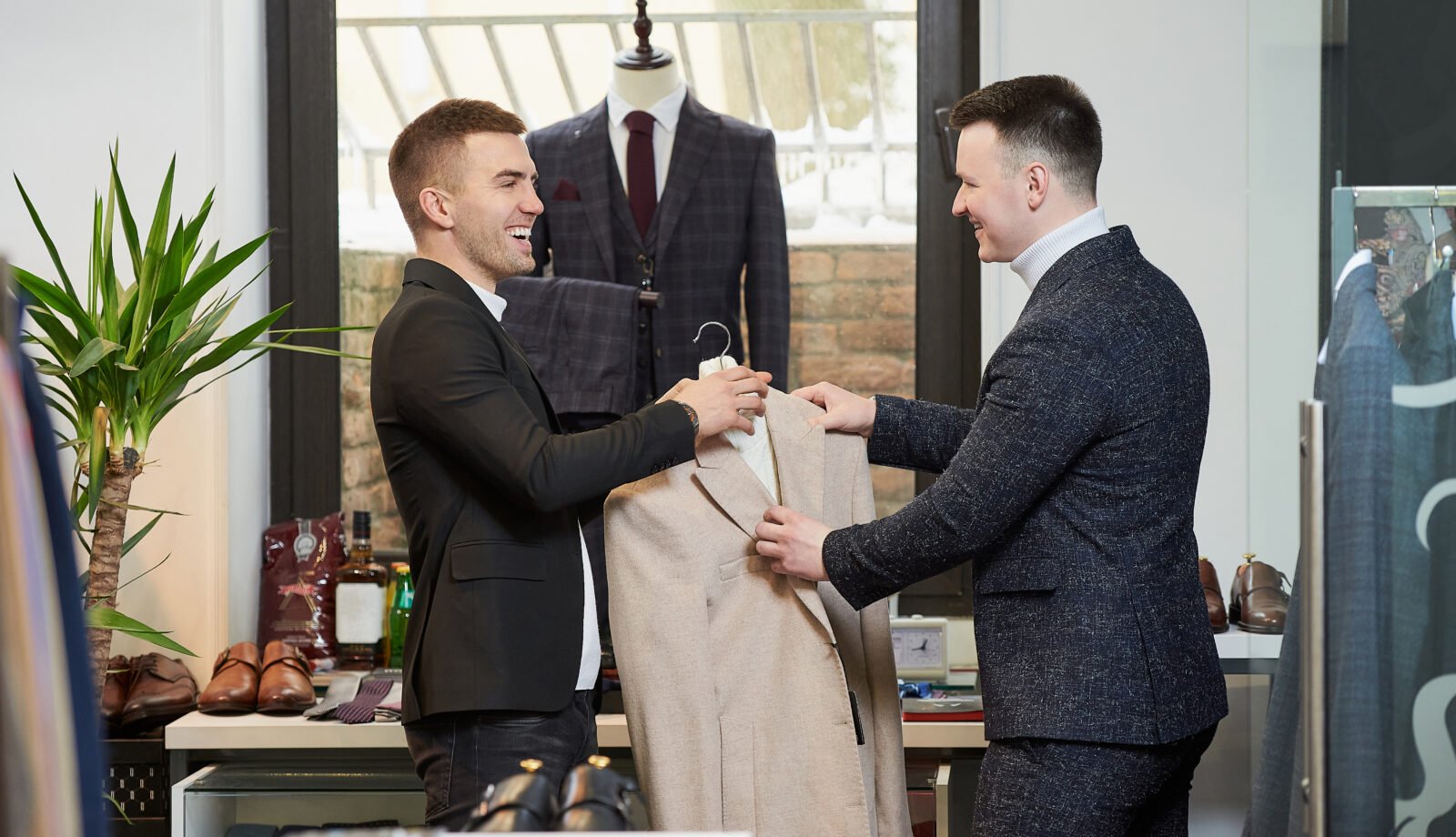
Tailoring has traditionally been viewed as a transaction — a client walks in, selects a fabric, gets measured, and returns for fittings. The outcome is a finished garment, and the interaction ends there.
That model no longer reflects how modern clients approach tailoring.
Today, particularly in markets influenced by the standards of Savile Row, clients expect something more consistent and long-term. The shift is subtle but important: tailoring is moving from a one-time service to an ongoing relationship.
For professionals investing in bespoke suits in London, the value is no longer just in the garment — it is in the continuity of service, understanding, and consistency over time.
The Changing Expectations of the Modern Client
The modern client is more informed than ever. They understand the difference between ready-to-wear, made-to-measure, and true bespoke. They are also more aware of how fit, construction, and fabric impact long-term performance.
As a result, expectations have evolved.
Clients are no longer looking for:
- A single well-made suit
- A one-time fitting experience
- A purely transactional interaction
Instead, they expect:
- Consistency across multiple garments
- A clear understanding of their preferences
- Guidance that improves their wardrobe over time
This is where bespoke tailoring in London continues to stand out — not just for craftsmanship, but for continuity.
Beyond the First Suit
The first commission is often the starting point of the relationship, not the end of it.
Once a pattern is developed, a bespoke tailor in London builds on that foundation. Each subsequent garment becomes more precise, as the tailor gains a deeper understanding of the client’s posture, preferences, and daily requirements.
Over time, this leads to:
- Faster decision-making
- More consistent fit
- Better alignment with the client’s lifestyle
This level of continuity is difficult to achieve in a purely transactional model.
Personalisation Beyond Measurements
True personalisation extends far beyond measurements.
It includes:
- Understanding how a client uses their wardrobe
- Knowing preferred fabrics and weights
- Recognising how formal or relaxed their environment is
- Anticipating future needs
For example, a professional who travels frequently may require fabrics that resist creasing and maintain structure over long hours. Another client may prioritise lightweight cloth for comfort across varying indoor and outdoor conditions.
In custom suits in London, this level of understanding allows the tailor to guide decisions rather than simply execute instructions.
Consistency as a Standard
One of the key expectations today is consistency.
Clients who invest in bespoke suits in London expect:
- The same level of fit across every garment
- Reliable construction standards
- Predictable results with each order
This is where the relationship becomes critical. A tailor who understands the client can deliver consistency without requiring the process to start from the beginning each time.
This approach reflects the principles seen in Savile Row bespoke suits, where long-term client relationships are central to the tailoring process.
The Role of Trust
Trust is one of the most valuable aspects of a long-term tailoring relationship.
Clients rely on their tailor to:
- Recommend suitable fabrics
- Advise on style decisions
- Maintain consistency in fit
- Ensure garments perform over time
This trust is built gradually, through repeated interactions and consistent results.
In British bespoke tailoring, this relationship is often what defines the experience. The garment is important, but the reliability of the service is what keeps clients returning.
Efficiency Without Compromise
As clients become more experienced, the process becomes more efficient.
Decisions that once required time and discussion become straightforward. Preferences are already understood, patterns are established, and fittings become more precise.
This efficiency does not reduce the quality of the process — it enhances it.
For professionals with demanding schedules, this is a significant advantage. It allows them to maintain a strong wardrobe without repeating the entire process each time they commission a new garment.
A Shift in How Tailoring Is Valued
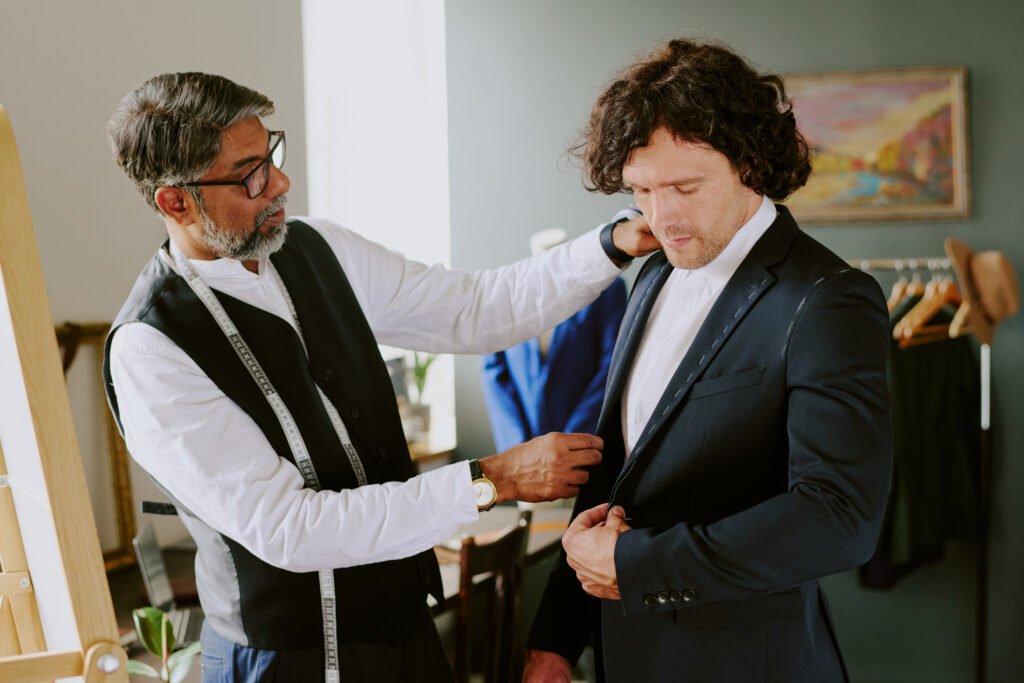
The perception of tailoring is changing.
It is no longer seen as:
- A one-off purchase
- An occasional service for special events
Instead, it is becoming:
- A long-term investment
- A structured approach to dressing
- A relationship built on consistency and understanding
This shift is particularly relevant in professional environments, where appearance plays a role in how individuals are perceived.
Why This Matters Today
In a market where options are widely available, the difference is no longer just in what is delivered, but in how it is delivered.
A well-made suit remains important. But for many clients, the greater value lies in knowing that each future garment will meet the same standard — without uncertainty.
For those engaging with bespoke tailoring in London, this is what defines the experience today. It is not simply about producing a garment, but about building a relationship that improves with time.
For clients investing in bespoke tailoring in London, the relationship with a tailor can become an important part of building a refined and consistent wardrobe. House of Tailors combines personalised service, precise fitting, and traditional bespoke craftsmanship to create garments designed around each client’s individual needs and preferences.