
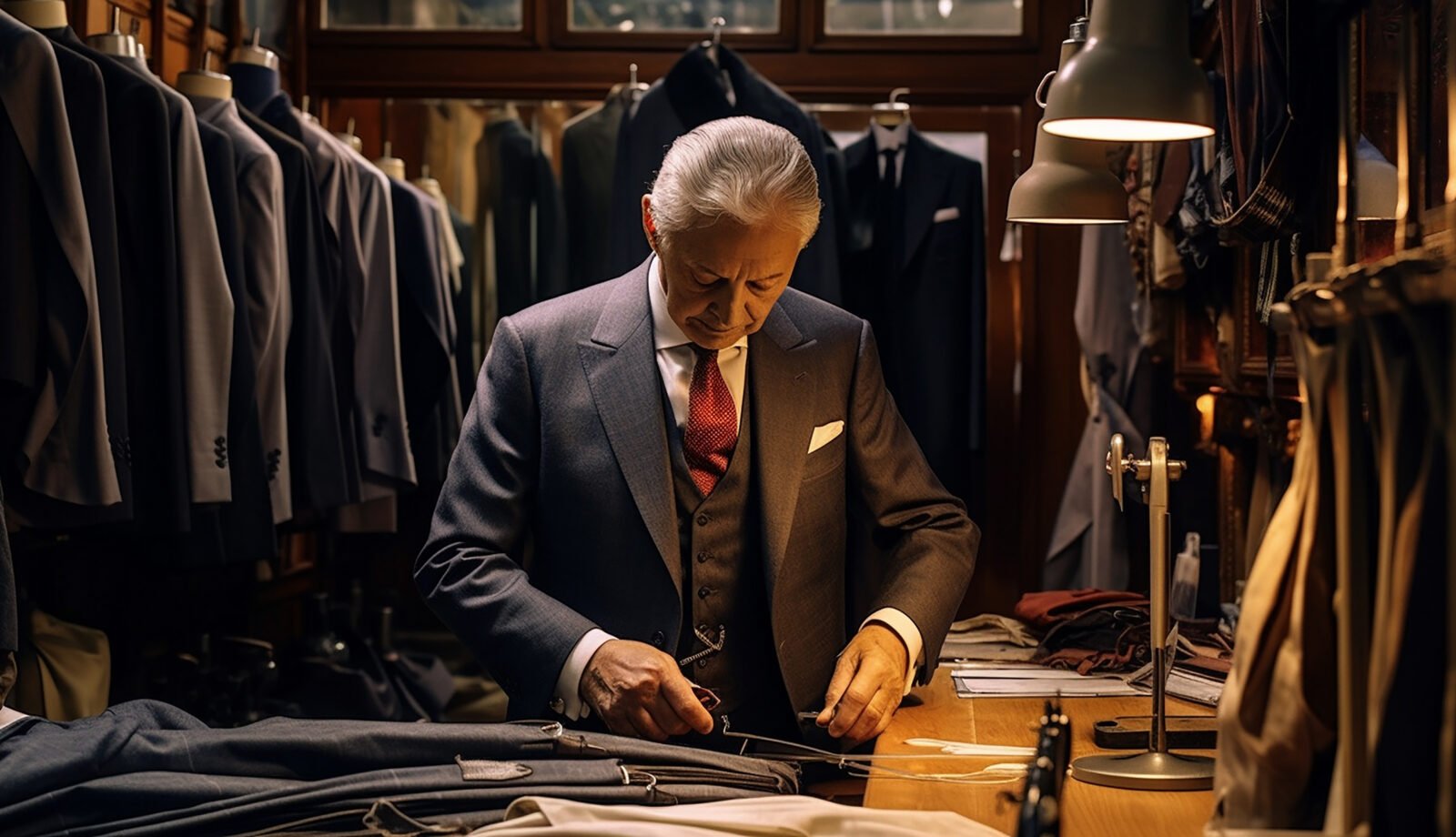
A well-made suit is rarely defined by its label or fabric alone. In British tailoring, quality is determined by how the garment is built, how it fits, and how it performs over time.
The standards associated with Savile Row have shaped this understanding for decades. A suit is not simply assembled — it is constructed with precision, where every element contributes to structure, balance, and longevity.
For professionals investing in bespoke suits in London, understanding what defines quality leads to better decisions — and, ultimately, better garments.
Structure Comes First, Not Fabric
One of the most common misconceptions is that fabric determines the quality of a suit. While cloth matters, the internal construction is far more important.
A well-made suit uses a floating canvas rather than fused layers. This canvas sits between the outer fabric and inner lining, allowing the jacket to move naturally with the body.
This is a defining feature of bespoke tailoring in London. In many Savile Row suits, full canvas construction is standard, providing shape through the chest and lapel without relying on adhesives.
Over time, this construction allows the jacket to adapt to the wearer while maintaining its structure — something fused garments rarely achieve.
The Shoulder: Where Fit Begins
In British suit style, the shoulder is one of the most important elements. It is typically more structured than softer European styles, creating a clean and defined silhouette.
A well-executed shoulder should:
- Sit naturally without collapsing
- Follow the wearer’s posture
- Provide a stable base for the jacket
During a bespoke suit fitting, this is one of the first areas a bespoke tailor in London will assess. Any imbalance here affects the entire garment, from the lapel to the sleeve alignment.
Balance and Proportion
A well-made suit is not about tightness or looseness — it is about balance.
Key areas include:
- Jacket length in proportion to height
- Sleeve length relative to the shirt cuff
- Lapel width aligned with body frame
- Trouser rise and break working with the jacket
In tailor made suits in London, these proportions are determined during pattern drafting, not corrected later. This ensures the suit works as a complete system rather than a series of adjustments.
Understanding how a suit should fit is less about trends and more about consistency across the entire garment.
The Chest and Lapel: Shape That Holds
The chest of a well-made British suit is designed to provide structure while allowing movement. It should feel supportive without restricting the wearer.
The lapel, equally important, should roll naturally rather than being pressed into place. In Savile Row bespoke suits, this roll is shaped during construction, creating a more natural line that improves with wear.
These details are often overlooked, yet they define how a suit holds its form throughout the day.
Fabric: Performance Over Appearance
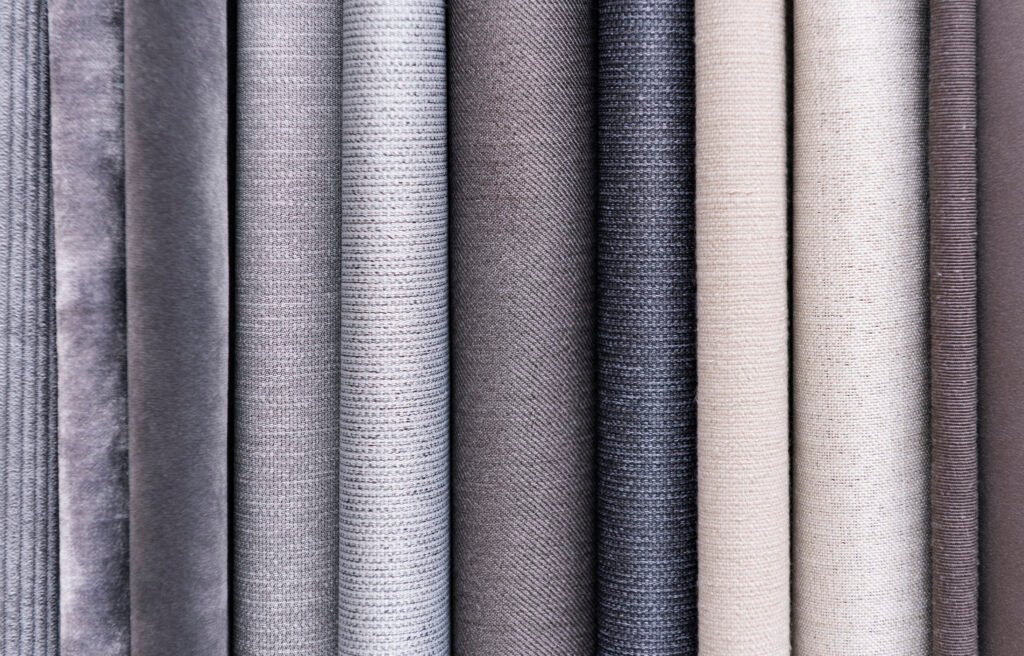
Fabric plays a supporting role — but in British tailoring, performance is prioritised.
Wool remains the most widely used material, particularly worsted wool, due to its durability and ability to hold shape. Many cloths are sourced from established British fabric mills, known for producing materials suited to the UK climate.
Professionals commissioning custom suits in London often choose fabrics that balance breathability with resilience, ensuring the suit performs consistently across different environments.
The Role of Pattern Drafting
A defining characteristic of a well-made suit is how it is cut.
In bespoke tailoring in London, each garment begins with an individual pattern based on the client’s measurements, posture, and stance. This allows the suit to account for asymmetry and movement from the outset.
This approach separates bespoke from standard made-to-measure garments. Instead of adjusting a pre-existing template, the garment is built specifically for the individual.
Longevity: The True Test of Quality
A well-made suit is not judged on the day it is delivered, but on how it performs over time.
Key indicators include:
- The jacket retaining its structure
- The lapel maintaining its roll
- The fabric ageing evenly
- The fit remaining consistent
These are the results of strong construction, considered fabric selection, and accurate pattern drafting — all central to British bespoke tailoring.
Why It Still Matters

In a market filled with fast production and ready-to-wear options, the principles of British tailoring continue to stand out because they deliver consistency.
A well-made suit provides structure, reliability, and a level of precision that supports professionals in demanding environments.
For professionals investing in bespoke suits in London, understanding construction, fit, fabric, and pattern drafting helps identify lasting quality. House of Tailors combines precise craftsmanship with personalised fitting to create bespoke garments built for structure, comfort, and long-term wear.