
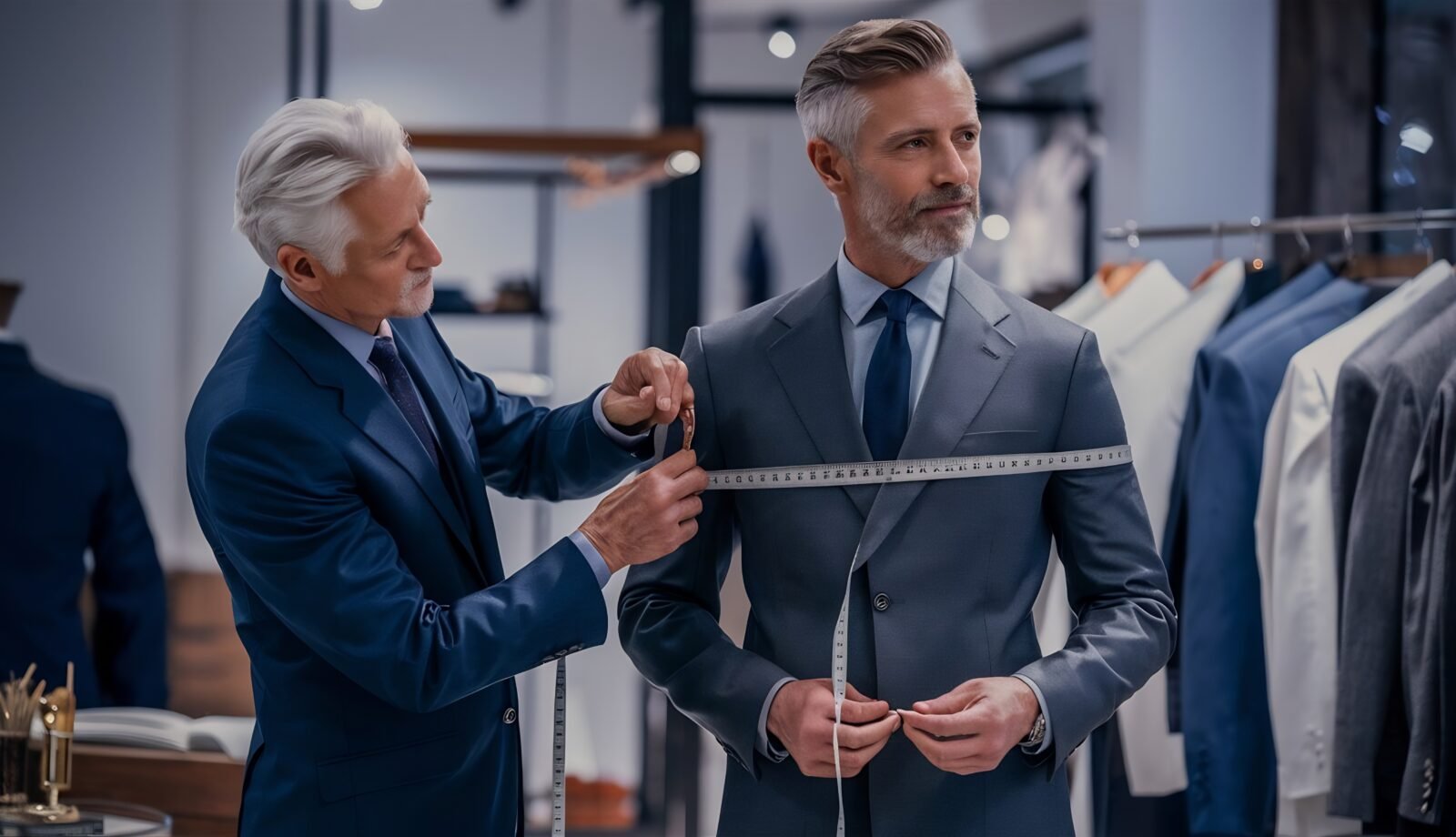
Most people notice when a suit looks “right,” but few can explain why. It is rarely about fabric or colour. More often, it comes down to proportion — the relationship between each element of the garment.
A suit can be made from excellent cloth and still feel slightly off if the proportions are not aligned. In contrast, a well-proportioned suit appears balanced, even without drawing attention to itself.
In the traditions shaped by Savile Row, proportion is not treated as a minor detail. It is central to how a suit is designed, cut, and worn.
For those investing in bespoke suits in London, understanding proportion is one of the most important aspects of achieving a consistent and effective wardrobe.
What Proportion Actually Means in Tailoring
Proportion refers to how different parts of the suit relate to each other and to the wearer’s body.
It includes:
- Jacket length relative to height
- Sleeve length in relation to the shirt
- Lapel width compared to chest and shoulders
- Trouser rise and leg width in balance with the jacket
Each of these elements may seem small on its own, but together they determine how the suit is perceived.
In bespoke tailoring in London, these decisions are made during the pattern drafting stage, ensuring that the entire garment works as a cohesive whole.
Jacket Length: The Foundation of Balance
Jacket length is one of the most noticeable elements of proportion.
A jacket that is too short can make the torso appear compressed, while one that is too long can disrupt the overall silhouette.
A well-proportioned jacket should:
- Align naturally with the wearer’s frame
- Cover the seat without excess length
- Maintain balance between the upper and lower body
This is a standard followed in Savile Row suits, where jacket length is carefully determined based on height and posture rather than trends.
Sleeve Length: A Subtle but Defining Detail
Sleeve length is often overlooked, yet it plays a significant role in how a suit is perceived.
The sleeve should:
- End just above the wrist
- Allow a small portion of the shirt cuff to be visible
If the sleeve is too long, the suit appears unfinished. If it is too short, it can look disproportionate.
During a bespoke suit fitting, a bespoke tailor in London will adjust sleeve length precisely, ensuring it complements the rest of the garment.
Lapel Width: In Proportion to the Body
Lapel width is another detail that can change the entire appearance of a suit.
A lapel that is too narrow may appear out of place on a broader frame, while one that is too wide can overwhelm a slimmer build.
In British suit style, lapels are typically designed to align with the wearer’s proportions rather than follow temporary trends.
This approach ensures that the suit remains relevant over time, rather than appearing dated as styles change.
Trouser Rise and Leg Shape
The trousers must work in harmony with the jacket.
Key considerations include:
- The rise of the trousers (where they sit on the waist)
- The width of the leg
- The break at the shoe
Traditional British bespoke tailoring often favours a slightly higher rise, which creates a longer, cleaner line from waist to hem.
If the trousers sit too low or are incorrectly proportioned, the overall balance of the suit is affected, regardless of how well the jacket fits.
The Relationship Between All Elements
The most important aspect of proportion is not any single detail, but how all elements work together.
For example:
- A shorter jacket may require adjustments to trouser rise
- Lapel width must align with shoulder structure
- Sleeve length must complement both jacket and shirt
In custom suits in London, these relationships are considered from the beginning, rather than corrected later.
This is what creates a suit that feels balanced from every angle.
Why Proportion Is Often Overlooked
Many ready-to-wear garments focus on standard sizing rather than individual proportion.
Adjustments are made to fit measurements, but the underlying balance is rarely corrected.
This is why suits can feel slightly off, even after alterations.
In tailor made suits in London, proportion is addressed during the drafting stage, ensuring that the garment is built correctly rather than adjusted after construction.
The Result: A Suit That Works Naturally

When proportion is correct, the suit requires less adjustment from the wearer.
It:
- Sits naturally on the body
- Moves without restriction
- Maintains its shape throughout the day
This level of balance is what defines the difference between a suit that simply fits and one that works consistently across different settings.
Why It Matters
Proportion is one of the least discussed aspects of tailoring, yet it has one of the greatest impacts.
It influences:
- How the suit is perceived
- How comfortable it feels
- How well it performs over time
For professionals investing in bespoke suits in London, understanding proportion helps create a more balanced and personalised fit. House of Tailors combines precise measurements, thoughtful pattern drafting, and bespoke craftsmanship to ensure every element works together naturally.