

For many buyers, the evaluation of a suit begins and ends with two things: the fabric label and the brand. While both matter, they rarely tell the full story.
A suit can be made from excellent cloth and still fail in structure, balance, and longevity. Conversely, a well-constructed garment from a lesser-known house can outperform more recognisable labels over time.
In markets shaped by the standards of Savile Row, the true measure of quality lies in how the suit is built — not just what it is made from.
For professionals considering bespoke suits in London, understanding how to assess a garment beyond surface details is essential.
Look Beyond the Fabric First
Fabric is often the most visible element, which is why it receives the most attention. Terms like “Super 120s wool” or references to well-known mills can create the impression of quality.
However, fabric alone does not determine how a suit performs.
A well-made suit must:
- Hold its shape throughout the day
- Sit cleanly across the shoulders
- Move naturally with the body
These characteristics come from construction — not just cloth. This is why bespoke tailoring in London places equal, if not greater, emphasis on what lies beneath the fabric.
Check the Construction: Canvas vs Fused
One of the clearest indicators of quality is how the jacket is constructed internally.
In many entry-level suits, layers are fused using adhesive. This creates a flat appearance and often leads to bubbling or stiffness over time.
By contrast, suits made using traditional methods — particularly in Savile Row suits — use a floating canvas. This allows the jacket to shape itself to the wearer and maintain its structure over years of use.
If you are assessing a suit, this is one of the first questions to consider. A well-constructed garment will always outperform one that relies on shortcuts, regardless of fabric.
Evaluate the Shoulder Fit
The shoulder is where the entire jacket begins. If it is not correct, nothing else will compensate for it.
A well-fitted shoulder should:
- Align naturally with your own shoulder line
- Avoid excess padding or collapse
- Allow the sleeve to fall cleanly
During a bespoke suit fitting, a bespoke tailor in London will prioritise this area before moving on to other adjustments. It sets the foundation for the entire garment.
Poor shoulder fit is one of the most common issues in ready-to-wear suits — and one of the hardest to correct.
Assess Balance and Proportion
A suit should work as a complete system, not a collection of individual parts.
Key areas to evaluate include:
- Jacket length relative to your height
- Sleeve length in proportion to the shirt
- Lapel width suited to your frame
- Trouser rise and break aligning with the jacket
In tailor made suits in London, these elements are addressed during the drafting stage, ensuring consistency across the garment.
Understanding how a suit should fit allows you to recognise when something is slightly off — even if it is not immediately obvious.
Observe the Lapel and Chest
The lapel is one of the most revealing elements of a suit. In well-made garments, it should roll naturally from the chest rather than appearing pressed flat.
In Savile Row bespoke suits, this roll is shaped during construction, not forced through pressing. It creates a more natural line that improves with wear.
The chest should also have a subtle structure — not overly padded, but not flat. It should support the jacket’s shape without restricting movement.
These details may seem minor, but they are strong indicators of how the suit has been built.
Consider Pattern and Cut
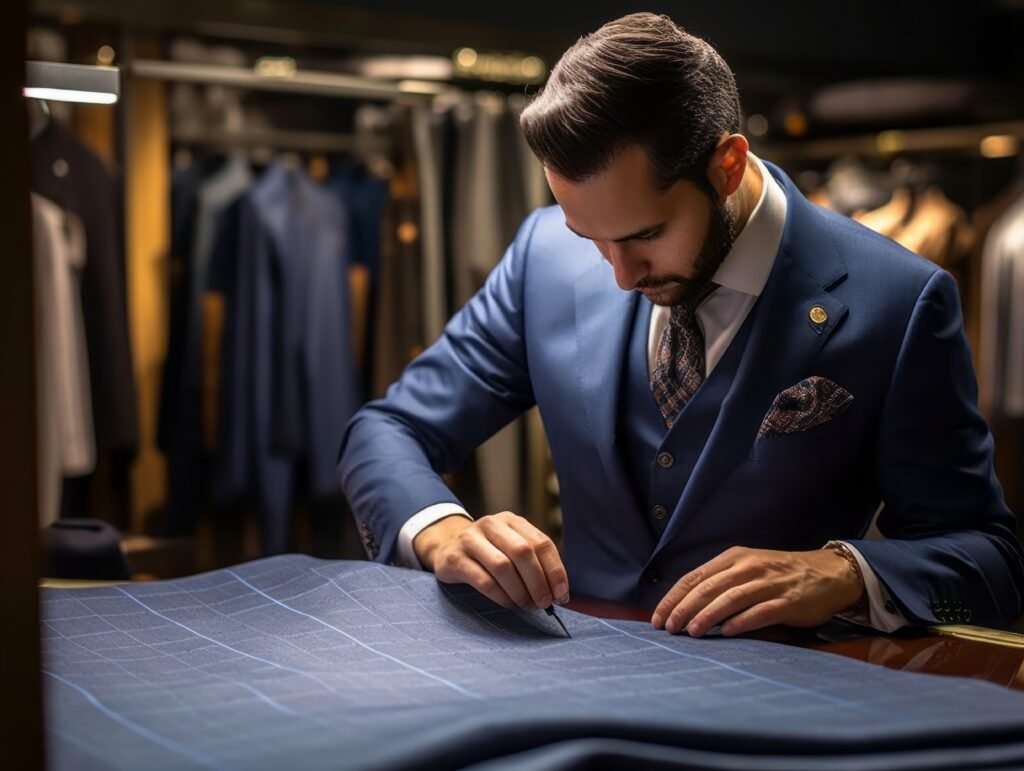
A well-made suit is defined as much by its cut as by its construction.
In bespoke tailoring in London, each garment begins with a unique pattern based on the client’s posture, stance, and proportions. This ensures the suit works with the individual rather than against them.
By contrast, ready-made garments follow standard templates, which often fail to account for natural asymmetry.
This is why custom suits in London are often preferred by professionals who require consistency in fit and presentation.
Think About Longevity, Not First Impression
A suit should not be judged solely on how it looks in a showroom. The real test is how it performs after repeated wear.
Ask yourself:
- Does the jacket retain its shape after a full day?
- Does the fabric crease excessively?
- Does the fit remain consistent over time?
These factors are far more important than initial appearance. A well-made suit should improve with wear, not decline.
A More Informed Way to Choose
Assessing a suit properly requires a shift in perspective. Instead of focusing only on fabric and branding, attention should move toward construction, fit, and long-term performance.
This is the approach that defines British bespoke tailoring — and why it continues to influence how quality is measured today.
For those exploring bespoke suits in London, understanding these fundamentals ensures that the investment goes beyond appearance, resulting in a garment that delivers consistency, comfort, and reliability over time.
For professionals exploring bespoke suits in London, House of Tailors offers a personalised approach focused on precision, fit, craftsmanship, and individual style. From pattern development and construction to detailed fittings and finishing, every element is considered to create a suit that performs as well as it looks. House of Tailors brings this commitment to craftsmanship together with a modern bespoke tailoring experience, helping clients invest in garments built for confidence, comfort, and long-term wear.