
A well-made suit is often judged by its fabric or label. In reality, what defines a truly exceptional garment lies beneath the surface — in its structure, balance, and the way each component works together.
The classic British suit is built on principles developed over decades of tailoring in London. It is designed to provide shape, presence, and durability while maintaining comfort across long working days. Understanding how these elements come together offers a clearer perspective on what separates a standard suit from one created through British bespoke tailoring.
The Foundation: Structure and Canvas
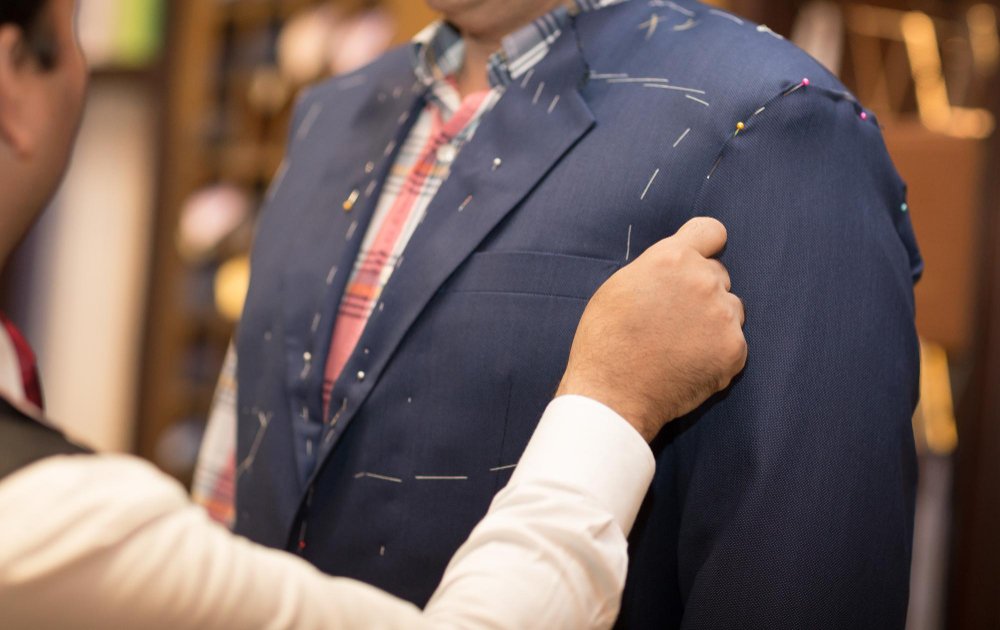
At the core of every well-made suit is its internal structure. Unlike fused garments, a traditionally constructed suit uses a floating canvas that runs through the chest and lapel.
This is where bespoke tailoring in London houses are known for, stands apart. A full canvas allows the jacket to mold naturally to the wearer over time, improving both fit and longevity.
In many Savile Row suits, this construction is considered essential. It gives the jacket its shape while allowing it to move naturally with the body—something that cannot be replicated by glued construction methods.
The Shoulder: Clean and Defined
One of the most recognisable features of British suit style is the shoulder. It is typically more structured than its Italian counterpart, designed to create a sharper silhouette.
The goal is not stiffness, but clarity. A properly executed shoulder line ensures the jacket sits correctly from the outset, forming the base for the rest of the garment. During a bespoke suit fitting, this is one of the first areas a tailor evaluates, as any imbalance here affects the entire jacket.
A well-cut shoulder contributes significantly to how a suit is perceived in professional settings, particularly in industries where presentation carries weight.
The Chest and Lapel: Shape and Balance
The chest of a classic British jacket is designed with subtle fullness, allowing for ease of movement without appearing loose. This is often paired with a firm canvas structure that maintains the jacket’s form throughout the day.
The lapel, another defining element, is cut with proportion in mind. Whether notch or peak, the lapel should sit cleanly against the chest and roll naturally from the button stance.
This is where the principles of Savile Row bespoke suits become evident. The lapel roll is not pressed into place but shaped through careful construction, giving it a more natural appearance over time.
The Waist: Suppression Without Restriction
A key characteristic of the classic British suits silhouette is the balance between structure and shape. The jacket is gently suppressed at the waist to create a clean line, without restricting movement.
This balance is achieved through precise pattern drafting — something that defines the difference between ready-made garments and those created by a bespoke tailor London professionals rely on.
The result is a jacket that follows the natural lines of the body while maintaining a sharp profile.
The Trousers: Clean Lines and Proper Rise
Trousers are often overlooked, yet they play a crucial role in the overall balance of a suit.
Traditional British suit style favors a slightly higher rise, allowing the trousers to sit at the natural waist. This creates a longer, cleaner line through the leg and ensures the jacket and trousers work as a single unit.
A proper break the trousers meets the shoe — is also carefully considered. Too much fabric disrupts the silhouette, while too little can appear incomplete.
In tailor-made suits, London professionals commission these details, which are adjusted to suit individual proportions and preferences.
The Fabric: Built for Climate and Durability
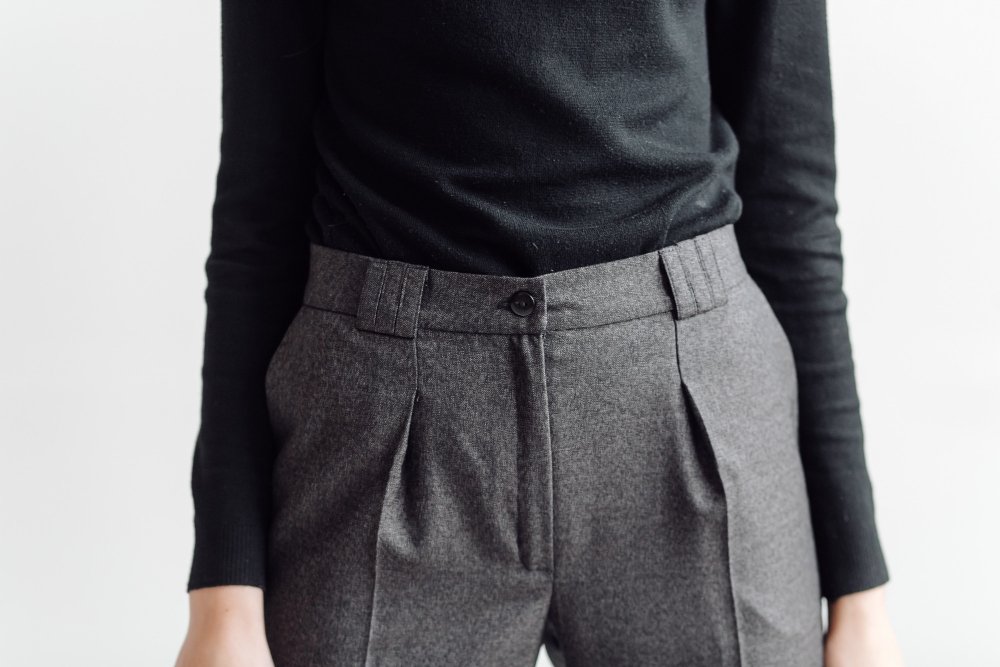
The fabric of a British suit is typically chosen for its structure and resilience. Wool remains the most common choice, particularly worsted wool, known for its durability and ability to hold shape.
Many of the world’s finest cloths come from established British fabric mills, which have been supplying tailors for generations. These fabrics are designed to perform well in varying conditions, making them suitable for both daily wear and formal settings.
Selecting the right cloth is not just about appearance but about how the suit performs over time.
The Fit: Where Everything Comes Together
Understanding how a suit should fit is what ultimately brings all these elements together.
A well-fitted jacket should:
- Sit cleanly on the shoulders
- Close comfortably without pulling
- Maintain a balanced length relative to the body
Trousers should:
- Sit securely at the waist
- Fall cleanly through the leg
- Complement the jacket without breaking the overall line
This level of precision is achieved through multiple fittings in bespoke suits at London ateliers, where adjustments are made at each stage of construction.
Why the British Suit Still Matters

The classic British suit has remained relevant not because of tradition alone, but because of how effectively it serves its purpose. It provides structure without excess, presence without exaggeration, and consistency across different professional settings.
From the workshops of Savile Row to modern tailoring houses, the principles remain largely unchanged.
Understanding the anatomy of a suit is more than academic for professionals who rely on their appearance. It is the difference between wearing a garment and wearing one that works with you — throughout the day, across different environments, and over time.