
Dressing well in the UK requires more than an understanding of style. The climate itself plays a decisive role in how a suit performs. A typical day in London can shift from cool mornings to mild afternoons, followed by damp evenings—all within a few hours.
For professionals investing in bespoke suits, London tailors produce, and fabric selection is not simply about appearance. It determines how the garment holds its shape, responds to moisture, and remains comfortable throughout the day.
Understanding which British suit fabrics work best in these conditions is essential for building a wardrobe that performs consistently across seasons.
Why the UK Climate Demands Versatility
Unlike regions with stable temperatures, the UK presents a mix of
- Moderate cold
- Frequent rain
- High humidity
- Seasonal transitions that are often unpredictable
This is why British bespoke tailoring has historically prioritized fabrics that balance durability with breathability. The goal is not extreme lightness or heavy insulation, but adaptability.
A well-chosen fabric allows a suit to maintain structure while remaining comfortable indoors and outdoors—a key consideration in cities like London, where professionals move between environments throughout the day.
Wool: The Foundation of British Tailoring
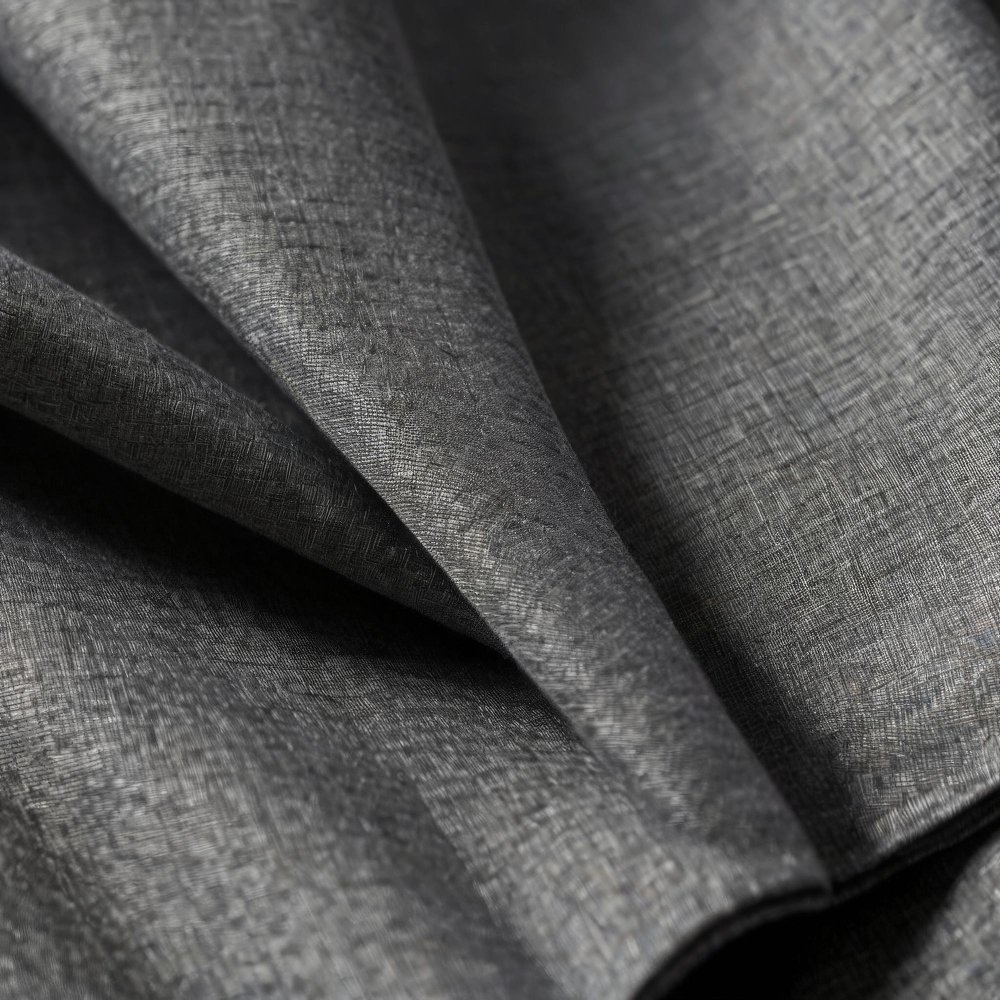
Wool remains the most reliable option for the UK climate. It is naturally breathable, regulates temperature effectively, and resists creasing better than most alternatives.
In Savile Row suits, worsted wool is particularly common. It is tightly woven, giving the fabric a smooth finish while maintaining durability. This makes it suitable for daily business wear.
Professionals working with a bespoke tailor London clients trust often choose wool in mid-range weights, typically between 9oz and 11oz. These fabrics provide enough structure for cooler days while remaining comfortable indoors.
Another advantage of wool is its ability to handle moisture. It can absorb a degree of humidity without feeling damp, making it well-suited to the UK’s frequent rainfall.
Flannel: Ideal for Colder Months
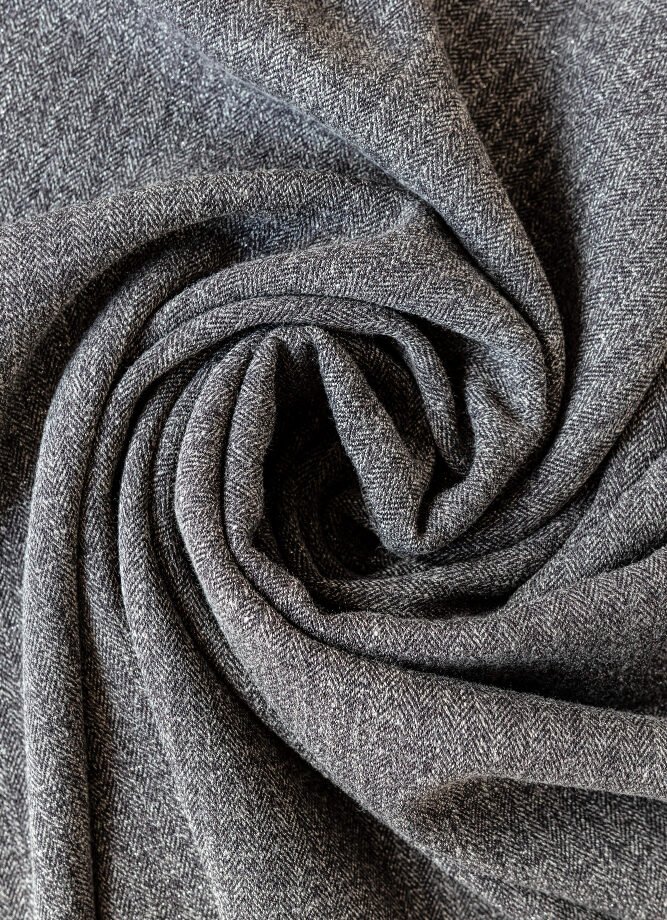
For autumn and winter, flannel becomes a practical choice. Made from wool that is brushed for a softer finish, it offers additional warmth without excessive weight.
Flannel is commonly seen in classic British suits, particularly in shades of grey and charcoal. It drapes well and adds a slightly fuller appearance to the silhouette, which works well in colder conditions.
While it may not be suitable year-round, it plays an important role in seasonal wardrobes, especially for professionals who spend time outdoors between meetings.
Tweed: Durability and Heritage
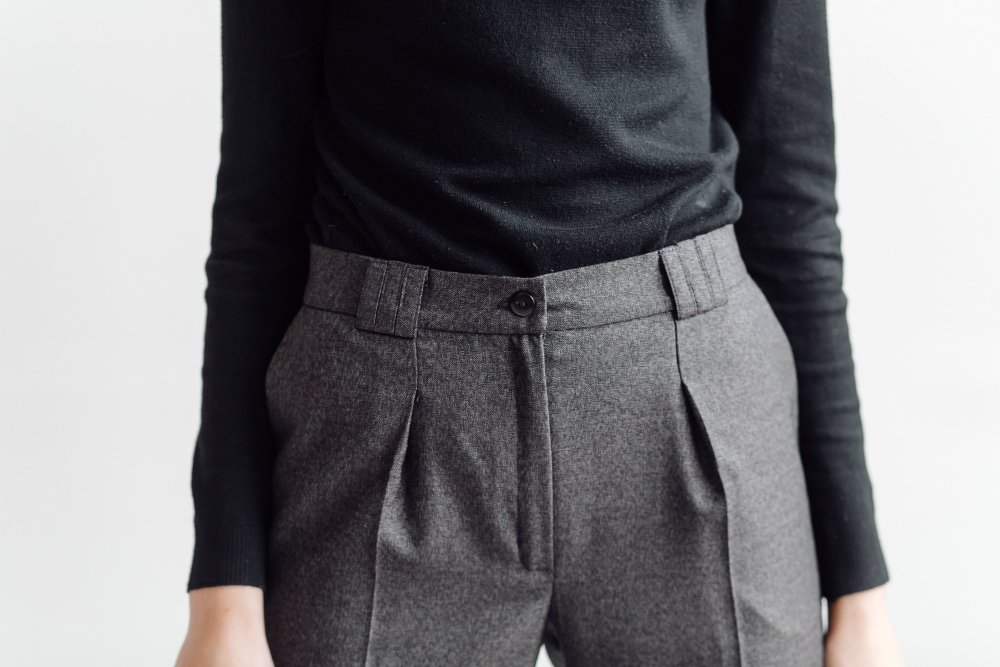
Few fabrics are as closely associated with British suit style as tweed. Originally designed for outdoor wear, tweed is dense, textured, and highly durable.
Although less common in formal business settings, it remains relevant for country wear and less formal environments. Jackets made from tweed are particularly practical during colder months, offering both insulation and resistance to moisture.
In the context of British bespoke tailoring, tweed continues to reflect the heritage side of tailoring while still serving a functional purpose.
Fresco and High-Twist Wool: For Warmer Days
While the UK is not known for extreme heat, summer months can still require lighter fabrics.
Fresco, a high-twist wool fabric, is one of the most effective options. Its open weave allows air to circulate, making it more breathable than standard wool. At the same time, it maintains structure, which is essential for a clean silhouette.
Many professionals who invest in custom suits London tailors produce include at least one high-twist wool suit in their wardrobe for warmer periods.
This approach ensures comfort without sacrificing the sharpness expected from luxury business suits.
Cashmere Blends: Softness with Practicality
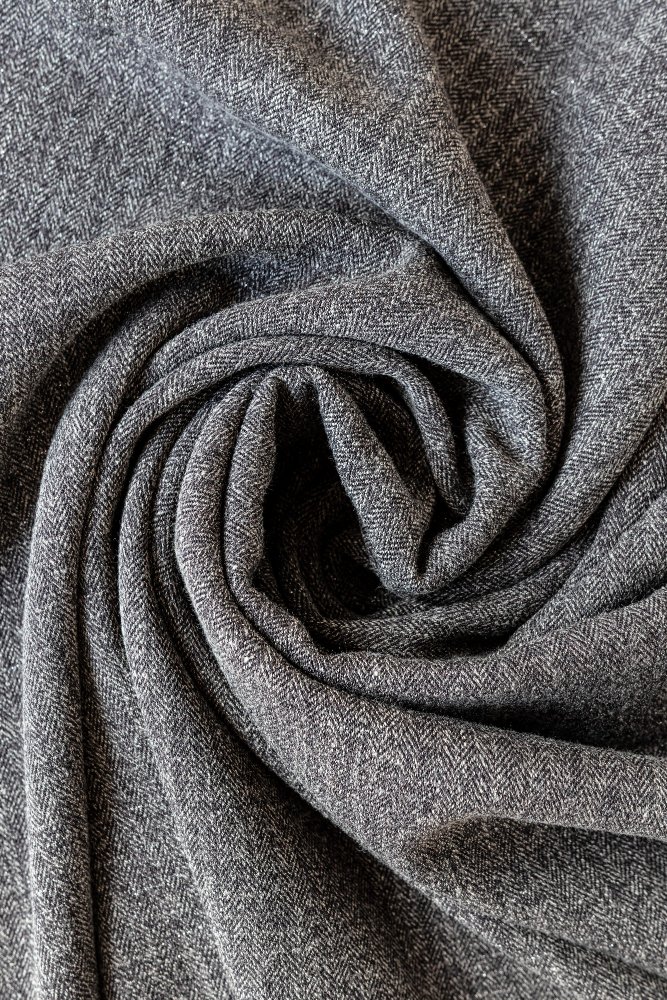
For those looking to add variation to their wardrobe, wool-cashmere blends offer a balance of softness and performance.
While pure cashmere can be delicate, blending it with wool improves durability while retaining a smoother handle. These fabrics are often used in jackets designed for cooler months, particularly in more formal or client-facing environments.
They are less about daily wear and more about adding depth to a professional wardrobe.
Fabric Weight: A Key Consideration
Beyond the type of fabric, weight plays a significant role in performance.
- 9oz–11oz: Ideal for year-round use in the UK
- 12oz–14oz: Better suited for autumn and winter
- 7oz–8oz: Suitable for summer, though less common in traditional British tailoring
When working with bespoke tailoring London specialists, fabric weight is usually discussed early in the process, as it directly impacts how the suit will be worn across seasons.
The Role of British Fabric Mills
The consistency of UK-appropriate fabrics is largely due to the long-standing expertise of British fabric mills. These mills have spent decades developing clothes suited to local conditions, focusing on durability, structure, and adaptability.
This is why many Savile Row bespoke suits continue to rely on British-made fabrics. They are designed not just for appearance, but for everyday performance in the UK environment.
Choosing Fabric with Purpose
Selecting the right fabric is one of the most important decisions when commissioning a suit. It affects how the garment feels, how it wears over time, and how well it adapts to different conditions.
Professionals investing in bespoke suits that London tailors offer often build a rotation of fabrics rather than relying on a single option. This ensures they are prepared for seasonal changes without compromising on presentation.
A Practical Approach to Dressing in the UK
The UK climate does not demand extremes — it demands consistency. Fabrics must perform across changing temperatures, handle moisture, and maintain their structure throughout the day.
This is why wool, in its various forms, continues to dominate British suit fabrics, supported by seasonal options such as flannel and fresco.
In a market shaped by tradition and practicality, fabric selection remains one of the defining factors of a well-made suit — not just in how it looks, but in how it performs over time.