
Master Your Business Attire: A Working Professional’s Success Guide
Business attire gives professionals a competitive edge that many overlook today. Forbes reports that our dress choices shape how others view our competence, preparation, and promotion potential. Professionals often make one crucial wardrobe mistake. They dress to match their current role rather than the position they want to achieve. This choice can limit their career growth chances. Smart business attire does more than meet dress codes – it serves as a powerful tool for career growth. Let me show you how your style choices can build a professional image that creates opportunities and advances your career.
The Role of Business Attire in Professional Identity
Your clothes tell your story before you speak a word. People make snap judgments within seven seconds of meeting someone. This silent communication shapes how others see you and your self-perception.
This “enclothed cognition” shows that clothes affect our thinking and performance. Staff who wear formal attire feel more authoritative, trustworthy, and competent.
Your business attire visually represents your professional goals. When your clothing lines up with career aspirations, you show preparedness and purpose. Research shows that people in formal business attire think more abstractly and negotiate better.
Smart business attire builds self-confidence and authenticity. The Journal of Business Research found that purposeful clothing choices substantially boost confidence levels. This affects how professionals present themselves and work with colleagues. A polished appearance shows attention to detail – a quality every profession values.
Smart Business Attire Essentials for the Modern Workplace
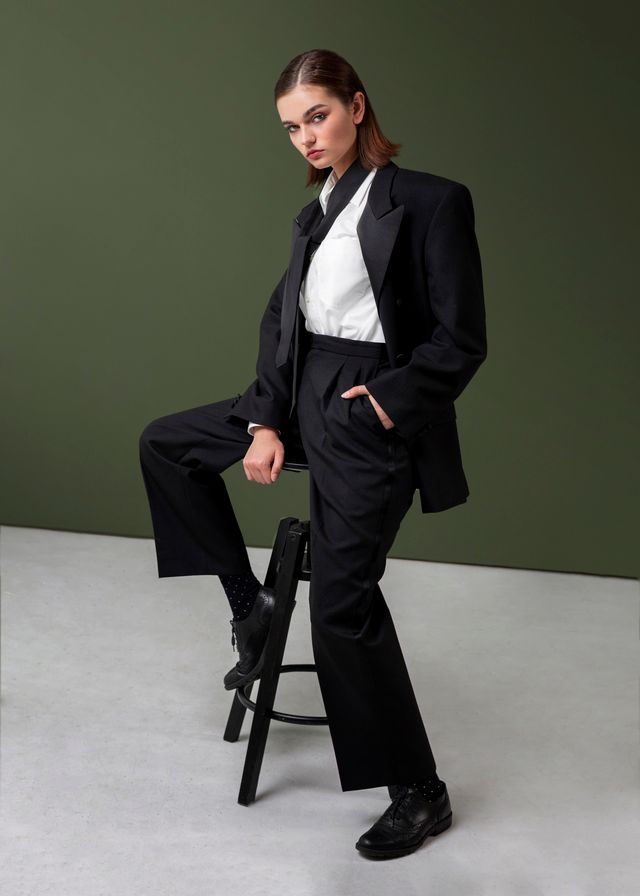
Smart business attire needs planning, not just following trends. Quality pieces that show sophistication and professionalism are the foundations of a good wardrobe. These classic items show your competence and reliability to everyone at work.
Your professional closet should have these well-tailored basics: blazers, button-down shirts, tailored trousers, pencil skirts, and classic dresses. Pick shoes that balance comfort and style—wide soles and low heels help prevent tendonitis when you’re on your feet all day. Your shoes should match your outfit’s colors too. Brown or tan leather works great with gray or navy suits.
Finding the sweet spot between personal style and workplace rules is vital. You can add your unique touch through subtle patterns, textures, and carefully picked accessories, even in strict office settings. Notwithstanding that, your clothes must fit well—loose or tight outfits hurt your confidence and professional image.
Colors can make or break your professional look. Black, navy, and gray work as versatile base colors. Don’t be afraid to add colors that match your personality. The fabric type changes how colors look—silk shows crisp colors while textured materials create soft, muted tones.
Your work clothes should boost your confidence and feel comfortable. This lets you focus on your work instead of what you’re wearing.
Building a Sustainable and Strategic Wardrobe
Your professional wardrobe can become a powerful career tool instead of causing daily stress. A successful wardrobe serves six key functions: it covers your life and body, fits your budget, handles emergencies, shows your best features, builds confidence, and draws positive feedback.
Smart planning makes a big difference. Your closet will save you time, cut down on impulse buys, reduce stress, and boost your morning productivity when it’s well-laid-out. Start by taking a full picture of what you own. Group your clothes into categories: everyday wear, occasional pieces, items that need fixing, and clothes you never use.
Business leaders should sort their work clothes into practical systems:
- Color families (navy, black, gray)
- Seasons and climate needs
- Activity categories (business casual, formal)
- Day-to-night versatility
Colors can powerfully affect how others see you. Navy blue shows honesty and trustworthiness. Black displays sophistication and authority. Burgundy projects ambition and confidence. These subtle signals shape how your colleagues view your leadership abilities.
A quarterly wardrobe update system works well. This helps keep your professional image fresh while adapting to new seasons and career changes. Note that you should focus on needs over wants—start with basic pieces that support your main career goals. Welcome sustainable practices by making the most of your current clothes, choosing quality over quantity, and taking good care of what you own.

Conclusion
Business attire works as more than just clothing—it’s a powerful communication tool throughout your career experience. Your wardrobe choices directly shape how others see you and boost your confidence. This creates a competitive edge that many people overlook. Fashion trends change, but one principle stays constant: dressing for your next role rather than your current position creates new opportunities.
People form impressions of your professional image before you speak. Smart clothing investments yield returns in how others view your abilities and leadership potential. Business attire improves your mental performance through enclothed cognition. This gives you clear advantages during key meetings and presentations.
You need to balance personal style with workplace standards. Quality matters more than quantity when you build your professional wardrobe. A carefully selected collection of well-fitted basics saves time and reduces stress. It projects the image you want others to see.
Colors and textures shape your professional identity in significant ways. Navy blue builds trust, black shows authority, and burgundy displays ambition. These subtle psychological signals influence your workplace relationships.
Your business attire should help you feel confident enough to focus on work instead of looks. The goal goes beyond a professional appearance. It’s about strategic self-presentation that lines up with your career goals. Becoming skilled at business attire isn’t just about following rules. It’s about purposefully shaping how you present yourself in the professional world each day.