
London is one of the few cities where multiple professional cultures exist side by side. Walk through the City in the morning, and you’ll see bankers in structured navy suits. In Shoreditch, technology founders arrive at meetings dressed far more casually. In Mayfair, the expectation shifts again, with a stronger emphasis on traditional tailoring.
For professionals working across these environments, understanding business dress codes in London is not always straightforward. The standards vary significantly depending on the industry, the client base, and the setting of the meeting.
While trends change, one constant remains: well-fitted tailoring still plays an important role in professional presentation.
The Financial Sector: Structure and Tradition
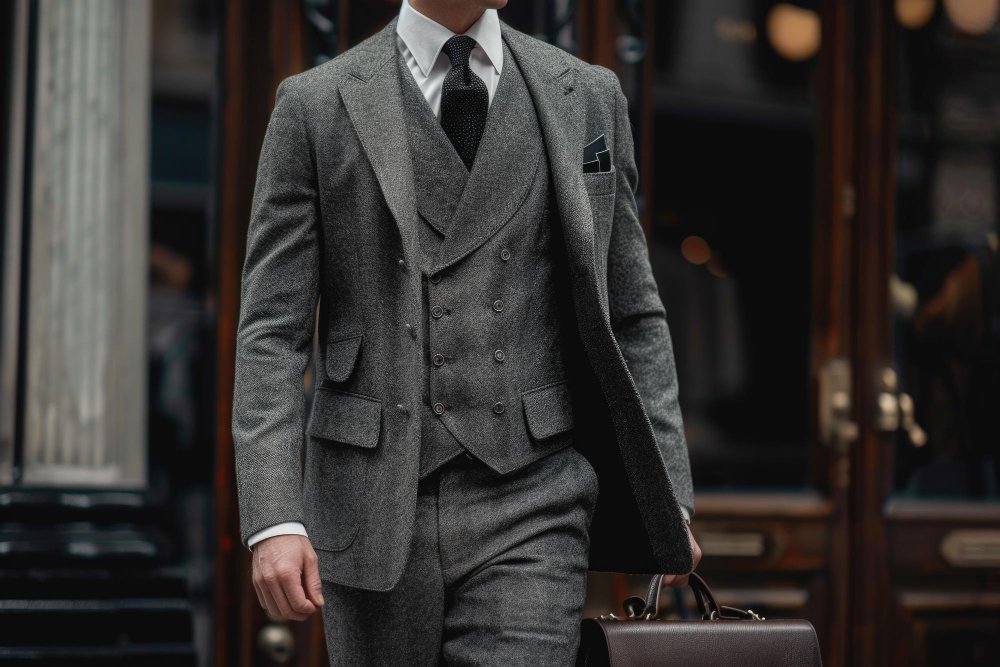
In districts such as the City of London and Canary Wharf, traditional business dress continues to dominate. Investment banking, asset management, and corporate law still maintain some of the most consistent standards in professional attire.
Here, classic British suits remain the benchmark. Dark navy and charcoal are common choices, often worn with structured shirts and conservative ties. Many senior professionals still favor garments made by a bespoke tailor, London houses are known for, particularly those associated with the long history of Savile Row.
The reason is practical. A bespoke suit fitting allows the garment to sit correctly across the shoulders and chest while maintaining comfort during long workdays. In sectors where meetings, negotiations, and presentations are routine, the reliability of bespoke tailoring London ateliers provide becomes a professional advantage.
As a result, searches for bespoke suits in London and the best bespoke tailor in London often come from professionals in finance and law looking for garments that align with these expectations.
Corporate Consulting and Professional Services
Consulting firms, global advisory companies, and multinational corporations occupy a middle ground between strict tradition and modern flexibility.
Professionals in these industries still rely heavily on the business suits London professionals are known for, but styling is slightly more relaxed than in finance. Lighter fabrics, softer shoulders, and subtle patterns appear more frequently.
This environment often favors tailor-made suits that London professionals can wear across different settings—from boardroom presentations to international travel. Many consultants prefer garments that balance structure with comfort, which is why handmade suits London tailors produce remain popular among executives who spend much of their time moving between meetings and airports.
The key difference here is versatility. A well-cut luxury business suit must perform across different contexts without appearing overly formal or too casual.
Creative and Media Industries
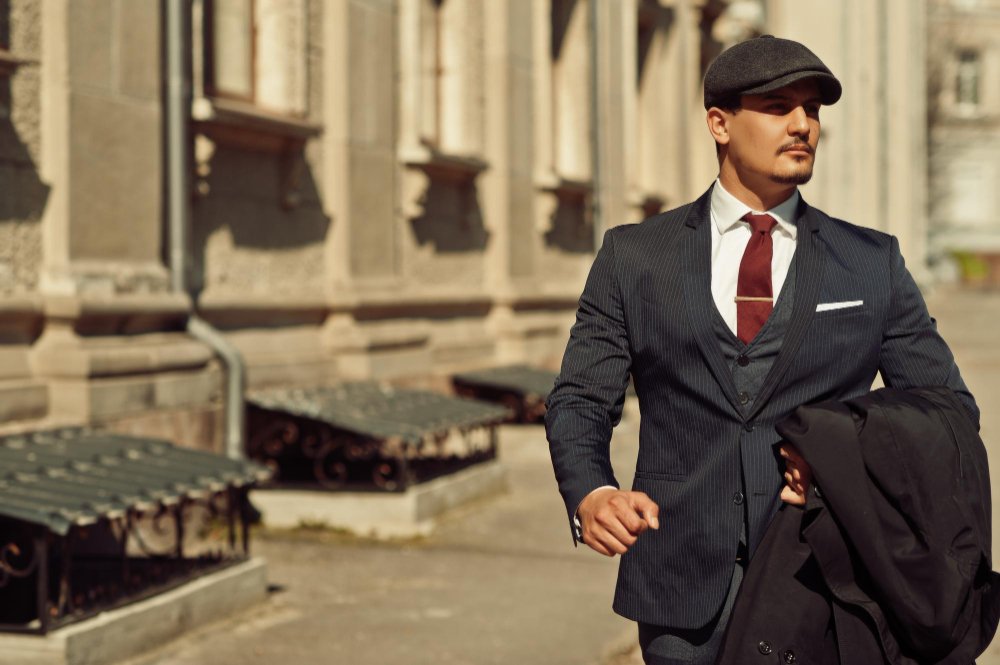
In areas such as Soho, Clerkenwell, and Shoreditch, dress codes shift considerably. The media, advertising, and design industries place less emphasis on traditional corporate attire.
That said, tailoring still appears — just styled differently.
Instead of full formal suits, professionals may choose tailored blazers, textured jackets, or softer silhouettes influenced by British suit style traditions. The emphasis is on individuality while maintaining professionalism.
Here, custom suits for London professionals are often slightly more expressive. Fabrics may include lighter wool, textured weaves, or subtle patterns sourced from British suit fabrics and established cloth merchants.
While ties are less common, strong tailoring still plays a role in creating a polished appearance during client presentations or industry events.
Technology and Start-Up Culture
London’s rapidly expanding technology sector has introduced another variation in business dress codes. In technology firms and start-ups, traditional corporate attire is far less common.
Open-collar shirts, knitwear, and tailored trousers often replace full suits. However, senior leadership teams and founders frequently return to structured tailoring for important meetings, investor presentations, or conferences.
In these situations, custom suits for London professionals allow them to maintain a professional appearance without adopting the formality associated with traditional banking environments.
A well-constructed suit — particularly one created through Savile Row bespoke suits craftsmanship or similar tailoring standards — offers flexibility. It can be worn formally when required or styled more casually by removing the tie or pairing the jacket with knitwear.
The Enduring Influence of British Tailoring

Despite the variety of dress codes across industries, London’s tailoring heritage continues to influence how professionals approach clothing. The long tradition of British bespoke tailoring has shaped expectations of what a well-made suit should look and feel like.
Many professionals eventually seek out bespoke tailoring London specialists after years of wearing ready-to-wear garments that never quite fit properly. Once they experience the difference created by individual pattern drafting and careful construction, the advantages become clear.
Understanding how a suit should fit — from shoulder balance to lapel proportion — remains one of the defining characteristics of London’s tailoring culture.
A City of Many Dress Codes
The reality of professional dressing in London is simple: there is no single rule. Finance, consulting, media, and technology all operate with different expectations.
What connects them is the continued relevance of strong tailoring. Whether worn daily in banking or reserved for important meetings in technology companies, the bespoke suits London tailors produce still represent one of the most reliable ways to present professionalism in a competitive environment.
In a city where industries intersect constantly, a well-fitted suit continues to serve the same purpose it always has — providing structure, confidence, and credibility when it matters most.