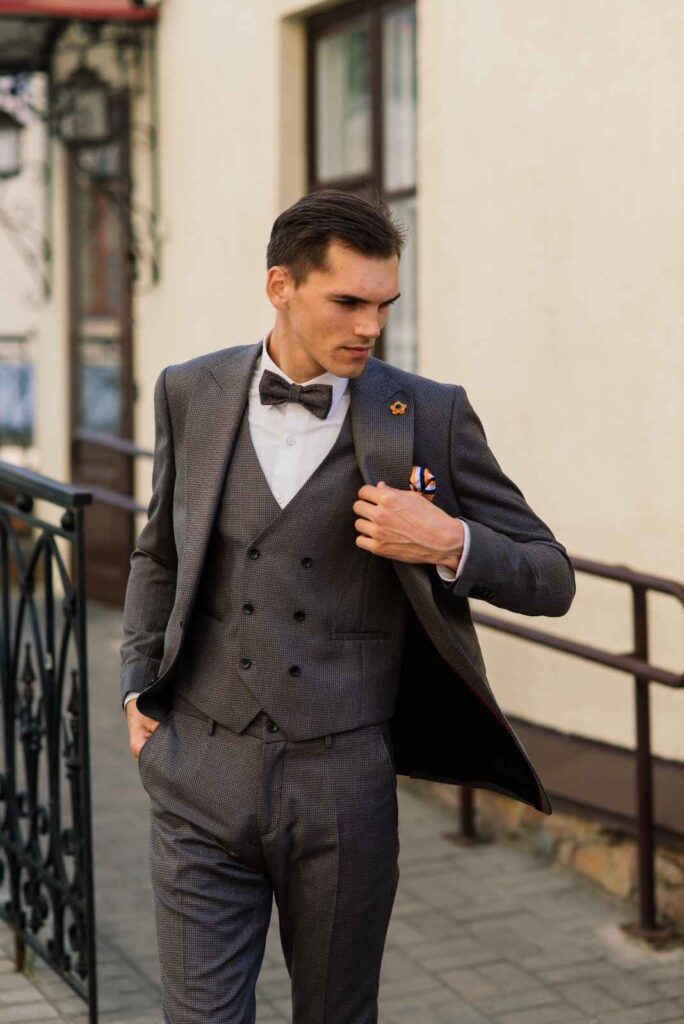
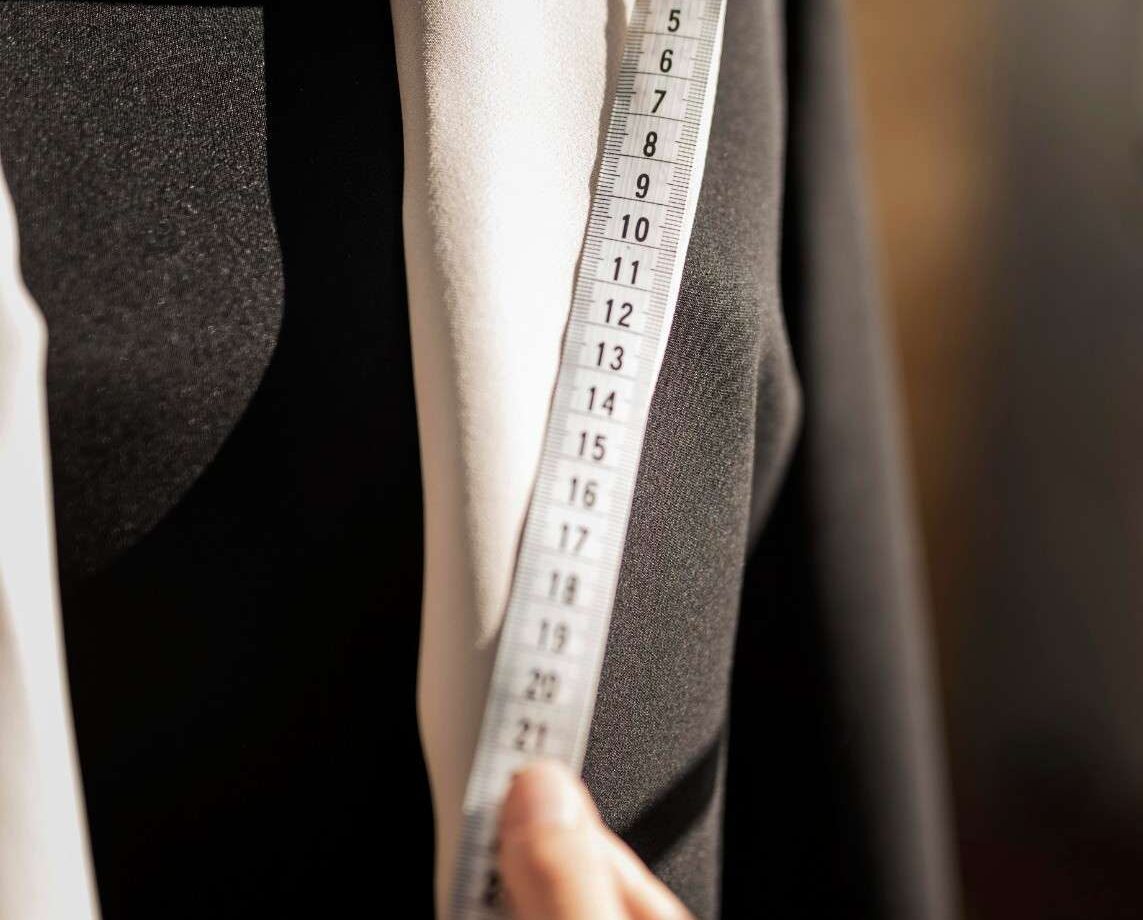
Bespoke tailoring in Britain is not a trend or a marketing term—it is a tradition built on discipline, precision, and restraint. For over two centuries, British tailoring has set the global benchmark for how a suit should fit, perform, and endure.
Understanding this tradition explains why bespoke tailoring continues to influence menswear around the world today.
The Origins of British Bespoke
The word bespoke originates from Britain, referring to cloth that was “spoken for” by a specific client. Unlike garments made in advance, bespoke clothing was commissioned individually—cut, sewn, and finished for one wearer alone.
This approach developed alongside Britain’s military, legal, and aristocratic institutions, where clothing was expected to project authority, reliability, and order. The suit was never ornamental. It was functional, disciplined, and purposeful.
Structure as the Foundation
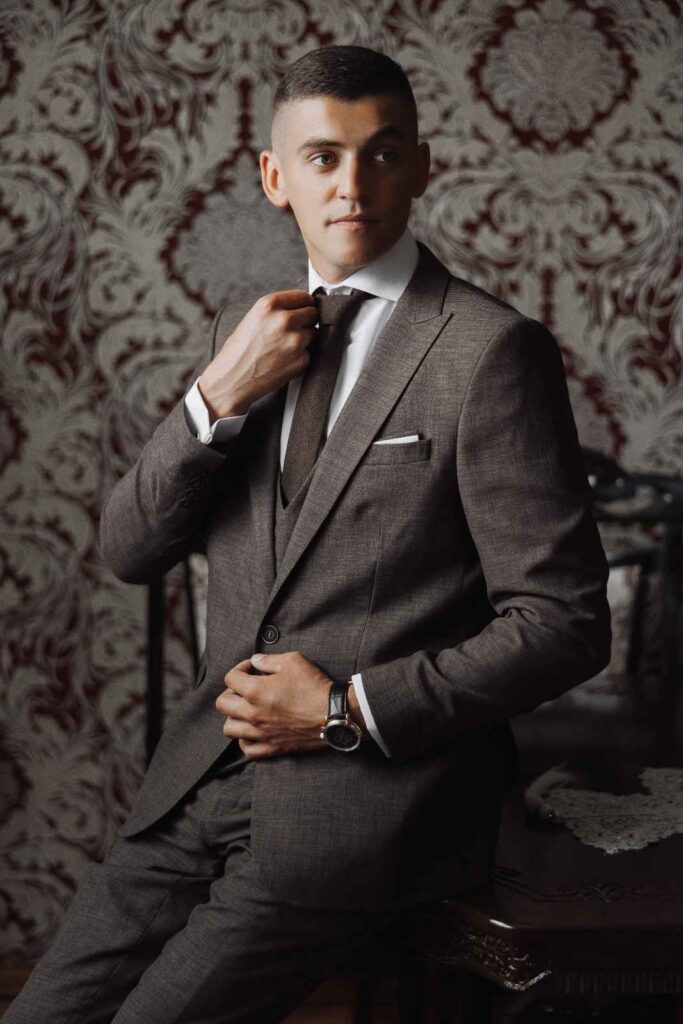
One of the defining characteristics of British bespoke tailoring is its emphasis on structure. Jackets are built to shape the body, not simply follow it.
Key elements include:
- Strong but balanced shoulders
- A defined chest and waist
- Clean, architectural lines
This structure creates a composed silhouette that communicates confidence without excess—an approach that remains relevant in modern professional environments.
Precision Over Comfort Alone
British tailoring prioritizes controlled elegance. While comfort is essential, it is achieved through balance and engineering rather than softness alone.
Patterns are drafted with meticulous attention to:
- Posture and stance
- Weight distribution across the garment
- Sleeve pitch and arm mobility
The result is a suit that feels supportive rather than restrictive, even after long hours of wear.
The Importance of the Pattern Cutter
At the heart of British bespoke tailoring is the pattern cutter. This individual translates measurements, posture, and movement into a unique paper pattern that belongs solely to the client.
This pattern is refined over time, allowing future garments to improve with each commission. It is this continuity that gives British bespoke its enduring reputation for consistency and refinement.
Multiple Fittings
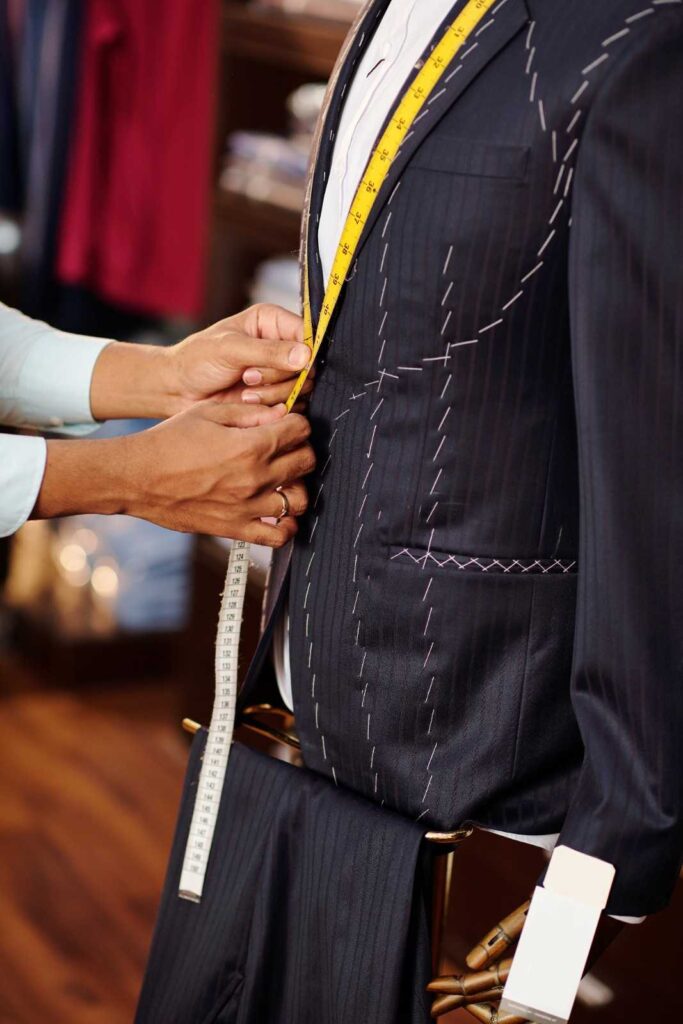
True British bespoke involves several fittings—often beginning with a basted fitting where the garment is partially assembled.
Each fitting corrects:
- Balance and symmetry
- Tension points
- Proportion and drape
These stages are not rushed. Precision is achieved through patience.
Longevity Over Trends
British bespoke tailoring has always resisted fleeting trends. Its strength lies in timeless design—lapels, pockets, and silhouettes that remain relevant across decades.
This focus on longevity means a bespoke suit is not only durable but stylistically resilient, adapting to changing contexts without appearing dated.
Why British Bespoke Still Matters
In a world of fast fashion and instant gratification, the British tradition of bespoke tailoring offers something increasingly rare: intentional craftsmanship.
It represents:
- Respect for process
- Mastery of form and function
- A belief that clothing should serve the wearer, not the other way around
A Living Tradition
British bespoke tailoring is not frozen in time. It continues to evolve, incorporating modern fabrics and contemporary needs while preserving its core principles.
That balance—between heritage and relevance—is what makes British bespoke not just influential, but enduring.
It is a tradition built not on excess, but on precision. And that is why it continues to define what true tailoring means today.